


Oct
Why Does My Leg Tingle With Back Pain?
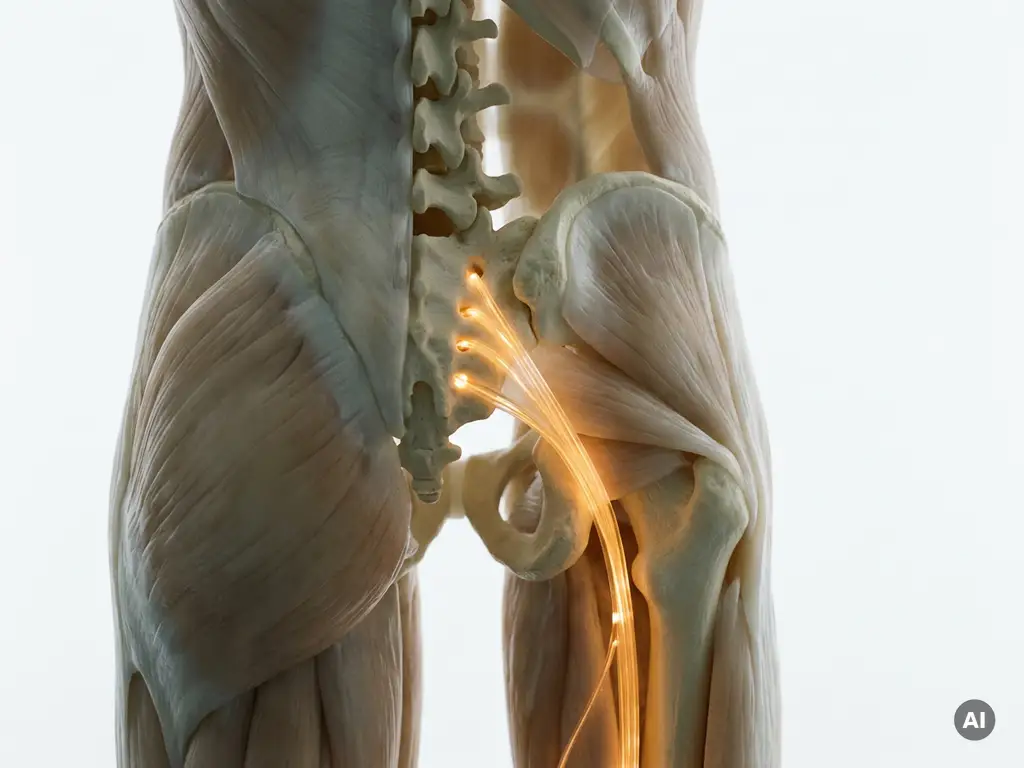
Tingling in the leg with back pain is almost always caused by nerve irritation or nerve compression. This occurs when a nerve in the spine comes under pressure, for example due to a herniated disc, a shifted vertebra, or tension in the surrounding muscles. The signal the nerve sends then radiates into the leg, sometimes all the way to the foot.
The location where you feel the tingling often says something about which nerve or which part of the spine is involved. In the rest of this article, we answer the most frequently asked questions about radiating back pain and tingling in the leg.
What causes tingling in the leg with back pain?
Tingling in the leg with back pain occurs because a nerve in the lower back is irritated or compressed. Nerves that run from the spine to the legs can become pinched by a herniated disc, a narrowed spinal canal (spinal stenosis), or increased muscle tension around the vertebrae. The nerve signal becomes disrupted, which you experience as tingling, a numb feeling, or an electric sensation.
The most common causes are:
- Herniated disc: An intervertebral disc that bulges out and puts pressure on a nearby nerve
- Spinal stenosis: Narrowing of the spinal canal causing nerves to become pinched
- Muscle tension: Overloaded or cramped muscles that put pressure on nerve pathways, such as the piriformis muscle near the pelvis
- Spinal instability: A shifted or blocked vertebra that reduces the nerve space
- Prolonged pressure: Poor posture, overexertion, or prolonged sitting that increases pressure on intervertebral discs
The tingling is therefore not a complaint in itself, but a signal from the nervous system that something somewhere in the spine is disrupting communication.
What is the difference between sciatica and radiating pain?
Sciatica is a specific form of radiating back pain in which the sciatic nerve, the longest nerve in the body, is irritated or compressed. Radiating pain is the broader term for pain that radiates from the spine to another part of the body. Not all radiating pain in the leg is therefore sciatica, but sciatica is always a form of radiating pain.
Characteristics of sciatica
With sciatica, the pain typically radiates from the lower back or buttock, along the back of the thigh, through the calf, and sometimes into the foot. In addition to pain, tingling, a numb feeling, or muscle weakness in the leg can occur. The symptoms are often worse with prolonged sitting, coughing, or sneezing.
Other forms of radiating pain
Radiating pain can also come from other nerves. When nerves in the upper lumbar region or pelvis become pinched, the pain sometimes radiates to the front of the thigh or the groin. This is called pseudo-sciatica or femoral nerve radiation. The location of the tingling gives a chiropractor or physician valuable information about which nerve is involved and where in the spine the problem lies.
When is tingling in the leg a warning sign?
Tingling in the leg is a warning sign when it is accompanied by loss of strength in the leg, loss of control over the bladder or bowels, or tingling in both legs simultaneously. These can be signs of serious nerve damage or cauda equina syndrome, a medical emergency in which the nerve bundle at the base of the spine is severely compressed.
Consult a doctor immediately or go to the emergency room if you recognize one or more of the following signs:
- Sudden loss of strength or sensation in one or both legs
- Difficulty urinating or controlling the bowels
- Tingling or numbness in the saddle area (inner thighs, buttocks, genitals)
- Tingling that developed after a fall, accident, or blow
- Symptoms that are rapidly worsening rather than improving
Tingling that has developed gradually, is not worsening, and does not cause loss of strength is rarely acutely dangerous. Nevertheless, it is wise not to ignore it, as prolonged nerve irritation can lead to permanent complaints if the cause is not addressed.
How does chiropractic care help with tingling caused by nerve irritation?
Chiropractic care focuses on restoring the alignment of the spine, thereby reducing pressure on irritated nerves. By returning blocked or shifted vertebrae to the correct position, nerve communication between the brain and body improves. This can reduce or eliminate the tingling as the nerve gains more space and the irritation decreases.
A chiropractor first assesses which vertebra or disc is involved and then chooses an appropriate technique. Commonly used methods for radiating back pain include:
- Spinal manipulation (HVLA): A fast, controlled movement to release a blocked vertebra and restore the nerve space
- Spinal decompression: Gentle traction on the spine to relieve pressure in the intervertebral discs, so that a bulging disc presses less on the nerve
- Gentle mobilization techniques: Gradual movements for patients for whom a rapid adjustment is less suitable
Chiropractic care treats the structural cause of nerve irritation, rather than merely suppressing the pain. For people with radiating back pain that recurs or persists, this can make a meaningful difference.
What can you do yourself for tingling in the leg?
With tingling in the leg caused by radiating back pain, there are a number of things you can do yourself to reduce the symptoms and prevent further irritation. The most important step is reducing the pressure on the affected nerve by adjusting your posture, movement, and lifestyle.
Practical steps you can take yourself:
- Avoid prolonged sitting: Stand up every half hour and move briefly, as sitting increases pressure on the lumbar intervertebral discs
- Pay attention to your sleeping position: Preferably sleep on your side with a pillow between your knees to keep the spine in a neutral position
- Stretch the piriformis muscle: A tight piriformis muscle can irritate the sciatic nerve; gentle stretching exercises for the buttock and hip can provide relief
- Move moderately but regularly: Walking is better than rest for most forms of radiating back pain; complete bed rest prolongs the recovery period
- Adjust your workspace: Use an ergonomic chair and a monitor at eye level to reduce the load on the lower back
- Avoid heavy lifting movements: Lift with a straight back and bent knees to prevent extra pressure on the intervertebral discs
These measures can relieve the symptoms, but do not always resolve the structural cause. If the tingling persists or worsens, professional guidance is important.
How Ruggensteun helps with radiating back pain and tingling
At our practice, we regularly treat people with tingling in the leg caused by radiating back pain. We investigate not only where the pain is located, but also what the underlying cause is in the spine or nervous system. This way, we address the problem at its root rather than merely alleviating the symptoms.
What we offer:
- A thorough intake and a spinal examination to determine the source of the nerve irritation
- Chiropractic adjustments aimed at restoring proper alignment and relieving nerve pressure
- Spinal decompression, including the specialized Y-strap treatment, a technique for which we are one of the few certified practices in the Netherlands
- Guidance on posture, movement, and prevention to avoid recurring complaints
- Quick availability for acute complaints, without a referral from a general practitioner
Do you recognize the symptoms and want to know what we can do for you? Make an appointment directly or contact us for more information. We are happy to help you.
Sorry, the comment form is closed at this time.