


Oct
Why Do I Have Tingling in My Leg or Foot?
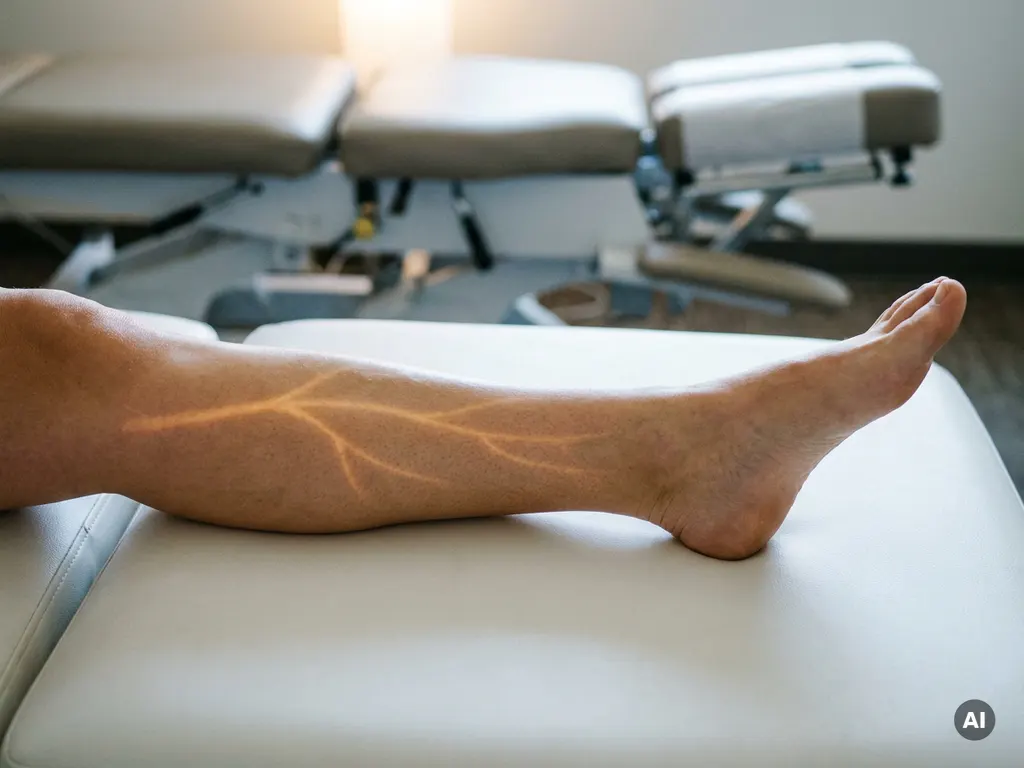
Tingling in your leg or foot is almost always caused by irritation or compression of a nerve, often at the level of the spine or pelvis. The most common cause is pressure on a nerve root in the lumbar spine, causing painful or tingling sensations to radiate into the leg or foot. In this article, we answer the most frequently asked questions about this common complaint pattern.
What causes tingling in your leg or foot?
Tingling in your leg or foot occurs when a nerve is under pressure or becomes irritated. This can happen at various locations in the body, but the spine is by far the most common source. A radiating pain or tingling sensation in the leg is often a sign that something is wrong in the lumbar region of your back.
The most common causes are:
- A herniated or bulging disc that puts pressure on a nerve root
- Overuse or wear and tear of vertebrae, reducing the space available for nerves
- Muscle tension around the pelvis or the piriformis muscle, which can irritate the sciatic nerve
- Poor posture or prolonged sitting, which builds pressure in the lower back
- Stress and lack of sleep, which contribute to muscle tension and increased sensitivity of the nervous system
When several of these factors combine, they increase the likelihood that nerves become chronically irritated. The tingling sensation is then not the cause, but a signal of something deeper within the body.
What is the difference between a pinched nerve and sciatica?
A pinched nerve is a general term for any nerve that is under pressure, regardless of location. Sciatica is a specific form in which the sciatic nerve, the longest nerve in the body, becomes irritated or compressed. Sciatica causes radiating back pain that typically travels through the buttock into the leg and sometimes all the way into the foot.
The distinction is practically important:
- Pinched nerve: Can occur anywhere in the body, from the neck to the foot. Symptoms depend on which nerve is affected.
- Sciatica: Always related to the sciatic nerve. Symptoms follow a recognizable path along the back of the leg, often accompanied by a burning or shooting sensation.
Both conditions can lead to tingling, numbness, or weakness in the leg. With sciatica, however, the radiation is more consistent and follows a clearer pattern. Not every radiating back pain is sciatica, but sciatica is always a form of radiating pain originating from the lumbar spine.
When is tingling in your leg a warning sign?
Most tingling in the leg is bothersome but not dangerous. However, there are situations in which tingling in your leg or foot indicates a more serious condition requiring immediate medical attention. It is important to recognize these signals and act quickly.
Seek immediate medical help if your tingling is accompanied by:
- Sudden paralysis or severe muscle weakness in your leg or foot
- Loss of control over your bladder or bowels
- Tingling in both legs simultaneously, especially if it comes on quickly
- Tingling following a fall, accident, or blow to the back
- Numbness around the groin or inner thighs
These symptoms may indicate serious nerve damage, such as cauda equina syndrome, in which the bundle of nerves at the bottom of the spine is compressed. This is a medical emergency. Tingling that has developed gradually and occurs only in one leg is generally less urgent, but still deserves serious attention if it persists for more than a few weeks.
How can a chiropractor help with tingling in your leg?
A chiropractor can help with tingling in your leg by addressing the underlying cause: the pressure on the nerve root or the misalignment of the spine. By making targeted adjustments to the lumbar spine or pelvis, the pressure on the irritated nerve can be reduced, causing the tingling to diminish or disappear.
Chiropractic treatment does not focus on suppressing symptoms, but on restoring the proper function of the spine and nervous system. When vertebrae do not move properly or are slightly misaligned, this can put pressure on nearby nerve roots. A chiropractor returns these vertebrae to the correct position, improving nerve communication between the brain and the body.
Depending on the cause of the tingling, the chiropractor may use:
- Spinal manipulations to restore mobility and relieve pressure on nerves
- Spinal decompression, for example through traction along the vertical axis of the body, to release built-up pressure in the intervertebral discs
- Dry needling for muscle tension that contributes to nerve irritation
A chiropractor always looks at the whole picture: posture, movement patterns, lifestyle, and the condition of the spine together. This makes chiropractic care a cause-focused approach to radiating back pain and associated tingling.
What can you do yourself for tingling in your leg or foot?
When experiencing tingling in your leg or foot, there are a number of things you can do yourself to reduce the symptoms and prevent further irritation of the nerve. These measures do not replace professional treatment, but can support your recovery and make the symptoms more manageable.
- Move regularly, but do not overload your back. Prolonged sitting increases pressure on the lumbar spine. Stand up every hour and walk for a few minutes.
- Pay attention to your posture. When sitting, maintain a straight back with good lumbar support. Avoid prolonged forward bending.
- Do gentle stretching exercises. Careful stretches for the hip flexors, hamstrings, and lower back can relieve muscle tension that contributes to nerve irritation.
- Avoid triggers. Notice which postures or activities worsen the tingling and adjust your daily habits accordingly.
- Get enough rest and sleep. Lack of sleep increases muscle tension and slows the recovery of the nervous system.
- Reduce stress. Chronic stress can increase muscle tension and heighten the sensitivity of the nervous system, which can worsen symptoms.
Keep in mind that self-care works best as a supplement to professional guidance, especially if the tingling has persisted for more than a few weeks or is getting worse.
How Ruggensteun helps with tingling in your leg or foot
At our practice, we look beyond the symptom. Tingling in your leg or foot is almost always a signal of something deeper going on in the spine or nervous system. We map that out and treat the cause, not just the sensation.
What we offer:
- A thorough intake and analysis of your spine, posture, and movement patterns
- Targeted chiropractic adjustments to relieve pressure on nerve roots
- Spinal decompression, including the Y-Strap treatment, performed by one of the few certified chiropractors in the Netherlands
- Dry needling for muscle tension that contributes to radiating symptoms
- Personal advice on posture, movement, and lifestyle to prevent recurrence of symptoms
- No referral from a GP required, quick availability for acute complaints, and free parking at both locations in Eindhoven and Valkenswaard
Do you suffer from tingling in your leg or foot and want to know what we can do for you? Make an appointment directly or contact us for more information. We are happy to help you.
Sorry, the comment form is closed at this time.