


Feb
What natural migraine tips work?
Natural migraine tips can effectively reduce migraine headaches without medication. Proven methods include magnesium supplements, essential oils, relaxation techniques and dietary adjustments. This holistic approach focuses on identifying migraine triggers and optimising the nervous system. By combining lifestyle changes with natural remedies, many people can significantly reduce the frequency and intensity of their migraine attacks.
What are the most effective natural remedies for migraine?
Magnesium supplements are among the most proven natural migraine treatments. A magnesium deficiency can trigger migraine attacks, as this mineral is essential for nerve function and blood vessel regulation. Daily supplementation of 400–600 mg magnesium can reduce the frequency of attacks.
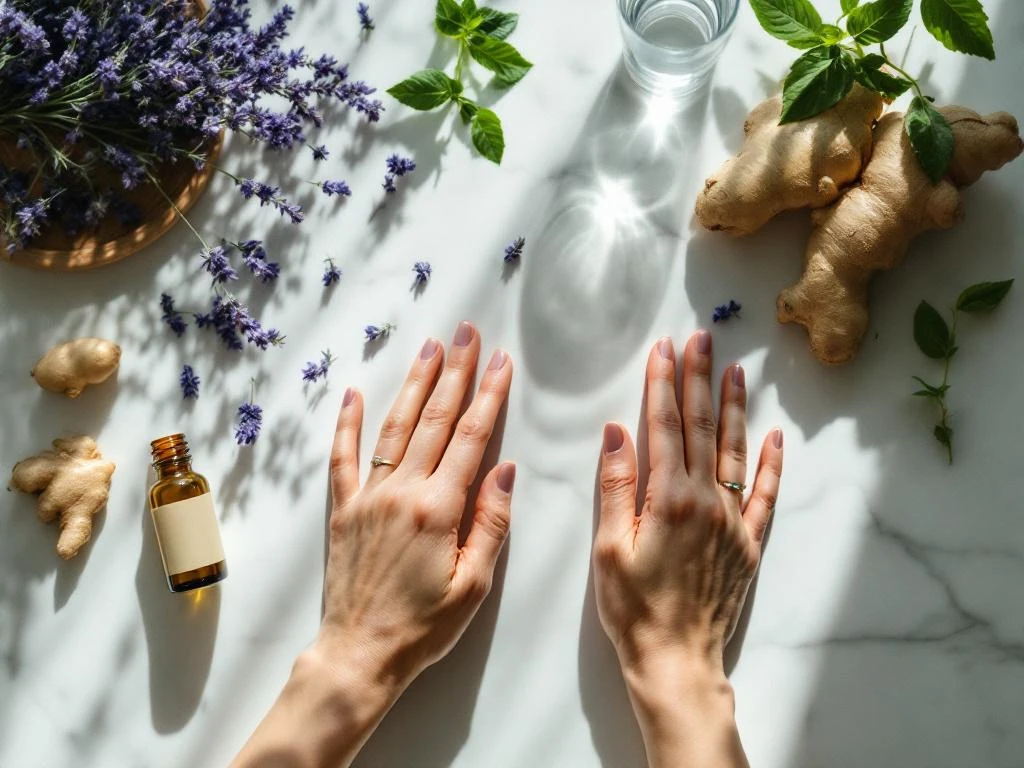
Essential oils provide direct relief during migraine attacks. Peppermint oil contains menthol, which blocks pain receptors and provides a cooling effect. Lavender oil has a relaxing effect on the nervous system and reduces stress, a known migraine trigger. Apply diluted oil to the temples and neck for optimal effect.
Herbal teas support natural pain relief and relaxation. Ginger tea reduces inflammation and nausea, which often accompany migraine. Chamomile tea has anti-inflammatory properties and promotes rest. Willow bark tea contains natural salicylates that can relieve pain.
Relaxation techniques work preventively by reducing stress. Deep breathing activates the parasympathetic nervous system and reduces tension. Progressive muscle relaxation helps release physical stress that can contribute to headaches.
Which foods can prevent migraine attacks?
Magnesium-rich foods form the foundation of a migraine-friendly diet. Dark leafy greens such as spinach and kale, nuts and seeds, whole grains and dark chocolate naturally provide magnesium. These foods support nerve function and help keep blood vessels stable.
Omega-3 fatty acids from oily fish, flaxseed and walnuts have anti-inflammatory properties. These healthy fats support brain function and can reduce migraine intensity. Aim for two portions of oily fish per week or daily plant-based omega-3 sources.
Adequate hydration is crucial for migraine prevention. Dehydration is a common trigger that is easily preventable. Drink water regularly throughout the day and watch for early signs of thirst. Add natural electrolytes with cucumber or lemon.
Avoid known food triggers such as aged cheeses, processed meat with nitrates, artificial sweeteners and MSG. Alcohol, especially red wine, can trigger attacks in sensitive people. Caffeine has a dual effect: regular use can protect, but sudden cessation can trigger migraine.
How can lifestyle changes reduce migraine frequency?
Regular sleep patterns are fundamental to migraine prevention. Go to bed at the same time every day and wake up at the same time, including at weekends. Ensure 7–9 hours of quality sleep in a dark, cool room. Avoid screens one hour before bedtime, as blue light disrupts the natural sleep rhythm.
Stress management reduces one of the most important migraine triggers. Develop daily routines that promote relaxation, such as short walks, journalling or listening to soothing music. Regularly schedule time for activities that energise you rather than exhaust you.
Moderate, regular exercise improves circulation and reduces tension. Choose activities such as walking, swimming or yoga, which calm the nervous system. Avoid intensive training during migraine-sensitive periods, but stay active with light movement.
Identify personal triggers by keeping a migraine diary. Note food, sleep patterns, stress levels and weather conditions around attacks. These patterns help you recognise risk moments and take preventive measures.
What are the best relaxation techniques for migraine relief?
Deep breathing exercises provide immediate relief by calming the nervous system. Breathe in for four counts through the nose, hold for four counts and breathe out for six counts through the mouth. This technique activates the relaxation response and reduces pain signals to the brain.
Progressive muscle relaxation helps release physical tension that can worsen migraine. Start at your feet and tense each muscle group for five seconds, then consciously release. Work systematically upwards to your head. This method teaches you to recognise the difference between tension and relaxation.
Meditation and mindfulness reduce stress and improve pain tolerance. Start with five minutes per day and focus on your breathing or a calming word. Apps can help with guided sessions specifically aimed at pain relief and relaxation.
Specific yoga poses support migraine relief by improving circulation and reducing tension. Child’s pose (balasana) calms the nervous system, neck rolls relieve tension in the neck and shoulders, and the legs-up-the-wall pose improves circulation. Practice these poses in a quiet, dark room during attacks.
How does Ruggensteun help with natural migraine treatment?
Chiropractic care can treat migraine through spinal corrections and nervous system optimisation. Misalignment of the spine, especially in the neck and upper back, can cause nerve compression that triggers migraine. We focus on restoring natural mobility and reducing tension that contributes to headaches.
Our holistic approach combines various natural techniques:
- Gentle spinal adjustments that improve nerve function
- Muscle tissue treatments that reduce tension in neck and shoulders
- Breathing and relaxation techniques for stress reduction
- Personal lifestyle advice for identifying triggers
- Ergonomic tips for workplace optimisation
By optimising the nervous system, we support your body’s natural self-healing ability. Many patients experience not only a reduction in migraine frequency, but also an improvement in their overall energy and wellbeing.
Would you like to know more about how chiropractic care can help you with migraine treatment? Contact us for a personal consultation. Discover more about our natural treatments on our homepage.
Sorry, the comment form is closed at this time.