


Feb
What is an acute neck blockage?
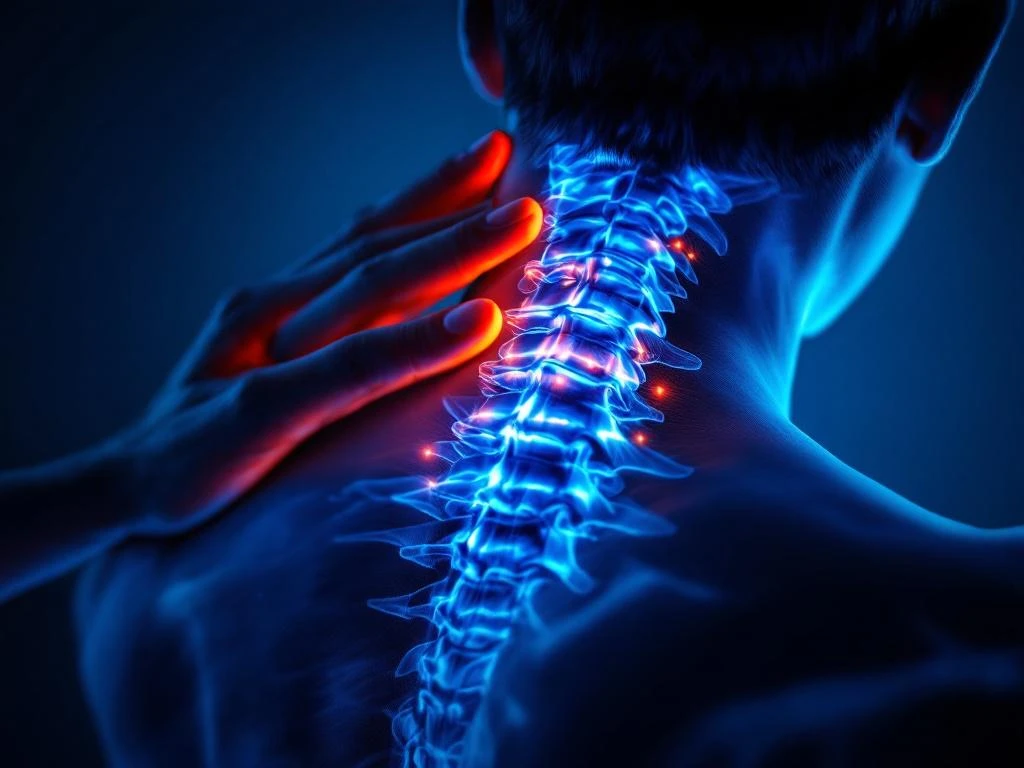
An acute neck blockage is a sudden, painful stiffening of the neck muscles, where you can no longer move your head normally. It usually occurs due to a wrong movement, sleeping position or stress and causes intense pain and movement restriction. The blockage can persist for several days to weeks, but with the right approach you can accelerate recovery. Below you will find answers to the most frequently asked questions about neck blockages.
What are the first symptoms of an acute neck blockage?
The first symptoms of an acute neck blockage are sudden, stabbing pain in the neck, which often starts on one side. You can barely turn or bend your head without intense pain. The neck muscles feel tight and tense, as if they are stuck.
In addition to neck pain, the pain often radiates to your shoulders, upper back or even to your head. This can cause headaches or migraines. Some people also get a tingling sensation in their arms or fingers, which indicates nerve irritation.
You notice that you hold your head in a forced position to avoid the pain. Simple movements, such as looking around while driving or turning your head to look at someone, become almost impossible. The muscles feel warm and swollen, and touch can be extra painful.
Stress can worsen the symptoms, because tense shoulders and neck muscles strengthen the blockage. You can also suffer from the pain at night, causing you to sleep poorly and be more tense the next day.
How does an acute neck blockage actually occur?
An acute neck blockage occurs when the neck muscles suddenly cramp or when a joint in your cervical spine gets stuck. This often happens due to an unexpected movement, a wrong sleeping position or prolonged stress that causes muscle tension.
Wrong sleeping positions are a common cause. If your neck lies in an unnatural position during sleep, the muscles can cramp. Also sudden movements, such as quickly looking around, sneezing or a wrong movement during sports, can cause a blockage.
Stress plays a major role in neck blockages. When you are tense, you unconsciously pull up your shoulders and tense your neck muscles. This chronic tension makes your neck more sensitive to blockages. Also working behind a computer for long periods with poor posture increases the risk.
Cold and drafts can also contribute to neck blockages. Cold muscles are less supple and more sensitive to cramping. That’s why people often get a “crick in the neck” after a night’s sleep with an open window or after exposure to air conditioning.
What can you do yourself for an acute neck blockage?
With an acute neck blockage you can make gentle movements within your pain limit and apply heat to relax the muscles. Rest is important, but complete immobility makes the muscles even stiffer.
Heat helps excellently with neck blockages. Use a warm shower, a heating pad or a warm towel on your neck and shoulders. The heat improves blood circulation and helps cramped muscles relax. Do this several times a day for 15-20 minutes.
Gentle neck movements can help, but don’t force anything. Turn your head slowly left and right, as far as comfortably possible. Light shoulder rotations can also relieve tension. Stop immediately if the pain increases.
Relaxation techniques, such as breathing exercises, help reduce stress, which reduces muscle tension. Ensure a good sleeping position with a supportive pillow. Avoid activities that strain your neck, such as long periods behind the computer or carrying heavy bags.
Light painkillers can help, but use them sparingly. Massage of shoulders and upper back (not directly on the painful spot) can also provide relief.
When should you see a specialist for neck complaints?
You should seek professional help if the pain does not decrease after 3-4 days or if you get neurological symptoms, such as tingling, weakness in your arms or dizziness. Also with extreme pain that does not respond to self-care, specialist treatment is needed.
Warning signals that require immediate attention are tingling or numbness in your arms or hands. This can indicate nerve compression. Also weakness in your arms, making it difficult to grip or lift, is a reason to seek help quickly.
Dizziness, headaches that get worse or problems with your balance can indicate more serious problems. With neck pain after an accident, fall or whiplash it is always wise to get examined, even if the pain is initially manageable.
If you have regularly recurring neck blockages, this can indicate underlying problems in your spine or chronic muscle tension. A specialist can identify the cause and draw up a treatment plan to prevent recurrence.
Neck pain accompanied by fever, severe headache and a stiff neck can indicate an infection and requires immediate medical attention.
How Ruggensteun helps with treating neck pain
We offer specialised chiropractic treatments for neck complaints, including acute neck blockages, neck hernias and chronic neck pain. Our holistic approach focuses on restoring the natural alignment of your spine and improving nerve communication.
Our treatment methods for neck complaints include:
- Chiropractic adjustments for joint blockages
- Y-strap treatments for decompression of intervertebral discs
- CFR (Cranial Facial Release) for jaw problems related to neck complaints
- Dry needling for deep muscle tensions
- Treatment of stress-related neck complaints
As one of the few practices in the Netherlands we are authorised for Y-strap treatments, an intensive technique that is particularly effective for persistent neck blockages. We also treat related complaints, such as headaches, migraines, whiplash, RSI and tennis elbow.
You can contact us directly, without referral from your GP. For urgent cases we have quickly available appointments. More information about our neck pain treatments can be found on our website, or visit our homepage for a complete overview of our services.
Would you like to make an appointment or do you have questions about your neck complaints? Please contact us. We are happy to help you on your way to a pain-free neck.
Sorry, the comment form is closed at this time.