


Apr
What are migraine symptoms in children?
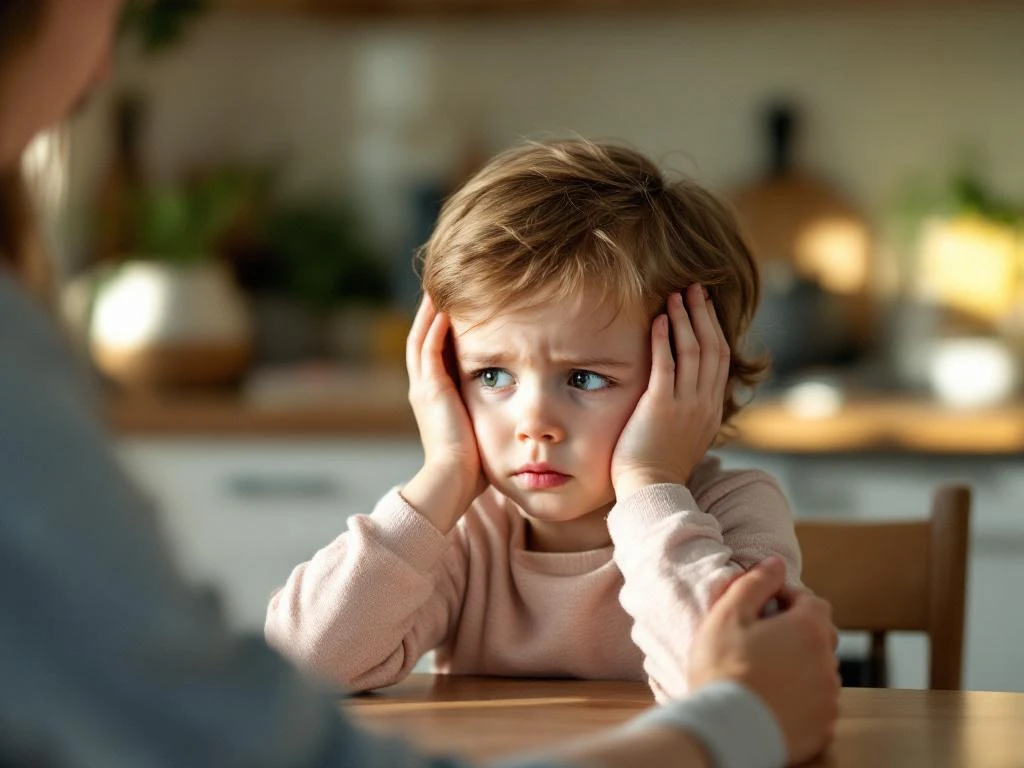
Migraine in children is a complex neurological condition that manifests differently than in adults. Childhood migraine often has a shorter duration, different symptoms and unique triggers that parents must recognize. Migraine headaches are accompanied by nausea, light and sound sensitivity and sometimes visual disturbances such as aura spots. Early recognition and proper treatment are essential for the child’s wellbeing.
What is migraine in children and how does it differ from ordinary headache?
Migraine in children is a neurological condition where intense headache occurs, together with other symptoms such as nausea and hypersensitivity to light and sound. This differs from ordinary headache because migraine is often accompanied by specific triggers and a characteristic pattern of symptoms.
The main difference between migraine and ordinary headache in children lies in the intensity and accompanying symptoms. Ordinary headache is usually mild to moderate and disappears relatively quickly with rest or pain relief. Migraine, on the other hand, causes a throbbing or pounding pain that can hinder the child in daily activities.
Childhood migraine has some unique characteristics compared to migraine in adults:
- Shorter duration: often 1–4 hours instead of whole days
- Pain on both sides of the head (in adults usually unilateral)
- More stomach complaints such as abdominal pain and vomiting
- Faster development of symptoms
Migraine can manifest from a young age, sometimes even in toddlers. Young children may find it difficult to describe the pain and often show behavioural changes such as irritability, withdrawal or sudden fatigue.
Which symptoms indicate migraine in children?
The main migraine symptoms in children are intense headache, nausea, vomiting and extreme sensitivity to light and sound. These symptoms often occur together and can force the child to stop activities and seek rest in a dark, quiet space.
Parents can recognise migraine by these characteristic signals:
Characteristics of the headache:
- Throbbing or pounding pain
- Pain that worsens with movement
- Pain on both sides of the head
- An intensity that hinders daily activities
Accompanying symptoms:
- Nausea and vomiting
- Light sensitivity (photophobia)
- Sound sensitivity (phonophobia)
- Abdominal pain
- Pale skin colour
Visual disturbances (aura):
Some children experience aura spots or other visual phenomena before the headache begins. These can manifest as flickering lights, zigzag lines or temporary visual field loss.
Behavioural changes:
Children with migraine often show sudden behavioural changes such as extreme irritability, withdrawal or the need to sleep. Young children may become tearful or unusually quiet.
Why do children get migraine and what are the triggers?
Children get migraine through a combination of genetic predisposition and environmental factors. Approximately 70% of children with migraine have a family history of the condition. Migraine triggers such as stress, sleep deprivation, certain foods and hormonal changes can provoke attacks in sensitive children.
The genetic component plays an important role in childhood migraine. If one parent has migraine, there is a 40% chance that the child will also develop it. With both parents this rises to 75%. This hereditary predisposition makes the nervous system more sensitive to certain stimuli.
Common migraine triggers in children:
Lifestyle factors:
- Irregular sleep patterns or sleep deprivation
- Skipping meals
- Drinking too little (dehydration)
- Intense physical exertion
- Stress from school or social situations
Food triggers:
- Chocolate and caffeine
- Aged cheeses
- Nitrates in processed meats
- Artificial sweeteners
- MSG (monosodium glutamate)
Environmental factors:
- Bright light or flickering screens
- Strong odours
- Weather changes
- Noise
In girls, hormonal changes during puberty can become migraine triggers. Keeping a migraine diary helps parents and healthcare providers identify and avoid personal triggers.
When should you take your child to a specialist for migraine?
Seek immediate medical help if your child regularly has intense headaches that hinder daily activities, or with warning signs such as fever, neck stiffness, confusion or sudden, very severe headache. Early professional diagnosis prevents unnecessary pain and helps in developing effective treatment strategies.
Immediate medical attention is needed with these warning signs:
- Sudden, very severe headache (“worst headache ever”)
- Headache with fever and neck stiffness
- Headache after head trauma
- Confusion or changes in consciousness
- Visual disturbances that do not disappear
- Speech problems or paralysis symptoms
Consult a specialist for:
- Headache more than twice per week
- Headache that worsens despite treatment
- Change in headache pattern
- School absence due to headache
- When migraine tips from the GP do not help
A detailed migraine diary helps specialists with diagnosis. Note time, duration, intensity, possible triggers, symptoms and what provides relief. This gives insight into the type of migraine and the best treatment approach for your child.
Early intervention is important, because untreated migraine can lead to chronic headaches and school problems. With proper guidance, most children can get their migraine well under control.
How Ruggensteun helps children with migraine
We offer specialised chiropractic care for children with migraine through gentle spinal corrections and improvement of nerve function. Our holistic approach focuses on restoring the natural balance in the nervous system, which often reduces migraine symptoms and can lower the frequency of attacks.
Our treatment approach for children with migraine:
- Gentle, child-friendly spinal corrections that reduce tension in neck and upper back
- Improvement of nerve communication between brain and body
- Treatment of underlying causes instead of only symptoms
- Personal guidance in identifying triggers
- Preventive care to help prevent future attacks
Benefits of our treatment:
- A natural, medication-free approach
- Specialist expertise for babies and children
- A holistic approach that brings the whole body into balance
- Quick availability for urgent cases
- Free parking at both locations
Our specialised chiropractors have extensive experience with neurological problems in children. We work together with parents to develop a treatment plan that suits your child’s specific needs.
Would you like to know more about how chiropractic care can help your child with migraine? View our comprehensive information about migraine treatments or take direct contact with us for a personal conversation. On our main page you can find more information about our practice and specialisations.
Sorry, the comment form is closed at this time.