


Apr
What are hormonal headache symptoms?
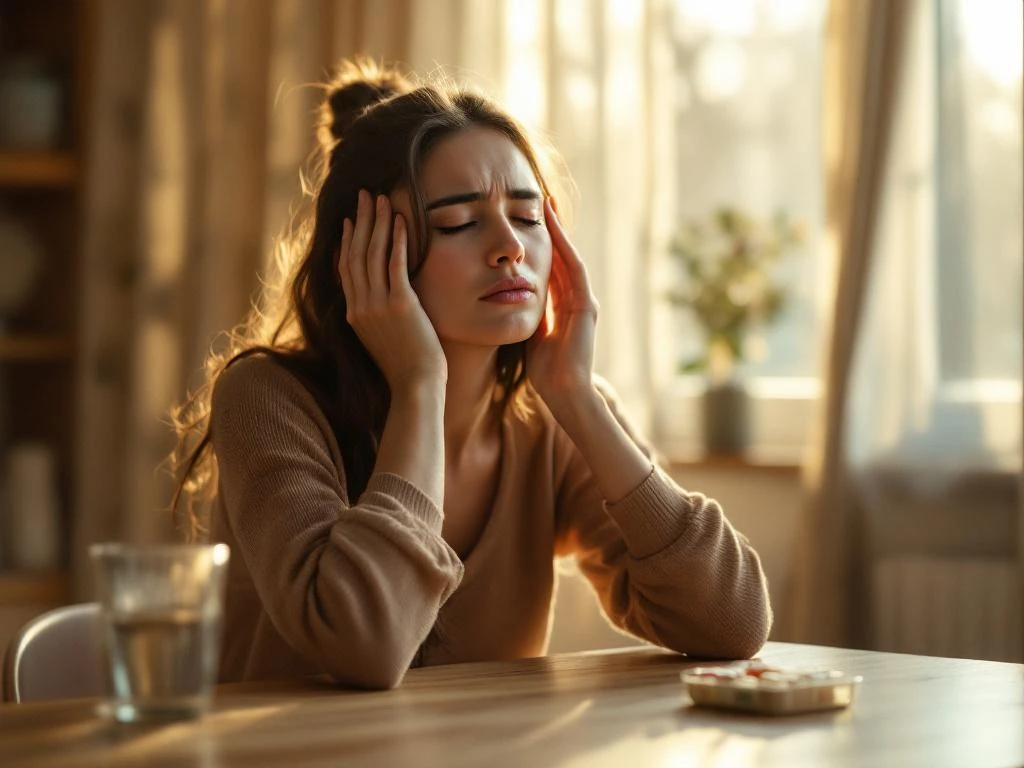
Hormonal headaches arise from fluctuations in hormone levels, especially estrogen and progesterone, and differ from ordinary headaches through their specific timing around the menstrual cycle. These headaches are often accompanied by nausea and other characteristic symptoms. Hormonal headaches have unique features that help with recognition and treatment.
What is hormonal headache and how does it differ from ordinary headache?
Hormonal headache is a specific type of headache that arises from changes in hormone levels, primarily estrogen and progesterone. This headache follows a predictable pattern that correlates with the menstrual cycle, pregnancy, or menopause.
The main difference from ordinary tension headaches lies in the timing and triggers. Hormonal headaches occur during specific moments in the cycle, such as just before menstruation, during ovulation, or in the first days of menstruation. Ordinary headaches, on the other hand, usually have external triggers such as stress, sleep deprivation, or dietary factors.
The intensity of hormonal headaches is often more severe than ordinary tension headaches and may be accompanied by migraine-like symptoms. Where tension headaches usually affect both sides of the head, hormonal headaches often concentrate on one side and have a throbbing character.
Which symptoms specifically indicate hormonal headache?
Characteristic symptoms of hormonal headaches are throbbing pain on one side of the head, sensitivity to light and sound, and often nausea. These symptoms are more severe than with ordinary headaches and follow a cyclical pattern.
The timing is crucial for recognition. Hormonal headaches usually arise 2–3 days before menstruation through to the second day of menstruation. Some women also experience headaches around ovulation, approximately on day 14 of a 28-day cycle.
Additional symptoms are:
- Extreme fatigue and irritability
- Sensitivity to odours
- Dizziness or light-headedness
- Fluid retention and bloating
- Changes in appetite
The pain often has a throbbing or pounding character and worsens with movement. This distinguishes hormonal headaches from tension headaches, which usually give a pressing sensation.
When during the menstrual cycle does hormonal headache occur?
Hormonal headaches occur primarily during the luteal phase (after ovulation) and during menstruation, when estrogen and progesterone drop sharply. The most common period is 48–72 hours before menstruation through to the second menstrual day.
There are three main moments when hormonal headaches occur:
Premenstrual phase (day 25–28): When both estrogen and progesterone drop rapidly, the most common form of hormonal headache arises. This period coincides with other PMS symptoms.
Menstruation (day 1–3): The low hormone levels during the first menstrual days can cause intense headaches. These headaches may persist until the hormones begin to rise again.
Ovulation (day 14): Some women experience headaches around ovulation due to the sudden rise and fall of estrogen. This type of headache occurs less frequently but can be equally intense.
During menopause, hormone fluctuations can become more unpredictable, causing headaches to occur at various times without a clear pattern.
Which hormones cause headaches and why?
Estrogen plays the main role in hormonal headaches. When estrogen levels suddenly drop, this affects blood vessels in the brain and the production of serotonin, a neurotransmitter that influences pain regulation.
The mechanism works as follows: estrogen stabilises blood vessels and keeps serotonin production balanced. With a sudden drop, blood vessels can dilate, causing the throbbing pain. Simultaneously, serotonin levels fall, lowering the pain threshold.
Progesterone has a protective effect against headaches through its calming action on the nervous system. When progesterone drops after ovulation, this protection is removed, increasing sensitivity to headaches.
Other involved hormones are:
- Prostaglandins: cause inflammatory reactions and pain
- Cortisol: stress hormone that can worsen headaches
- Insulin: fluctuations can trigger headaches
The speed of hormonal changes is more important than the absolute values. Gradual changes cause fewer problems than sudden fluctuations.
How do you distinguish hormonal headaches from other types of headaches?
Keeping a headache diary is the most effective way to recognise hormonal headaches. Note for three months when headaches occur in relation to your menstrual cycle, together with intensity and accompanying symptoms.
Characteristic patterns of hormonal headaches:
- Predictable timing: always around the same cycle days
- One-sided, throbbing pain
- Sensitivity to light, sound, and odours
- Nausea and sometimes vomiting
- Worsening with movement
Tension headaches, on the other hand, have:
- Irregular timing, often stress-related
- Pressing pain on both sides
- Less sensitivity to stimuli
- Rarely nausea
- No worsening with light movement
Migraines without hormonal component often have other triggers, such as certain foods, weather changes, or stress, and do not follow a cyclical pattern.
How Ruggensteun helps with hormonal headaches
Chiropractic care offers a natural approach to hormonal headaches by optimising the nervous system and spinal alignment. We focus on improving communication between brain and body, which can support hormonal balance.
Our treatment includes:
- Cervical spine alignment for better blood circulation
- Nervous system optimisation for improved hormonal regulation
- Dry needling for muscle relaxation and pain relief
- Holistic guidance on lifestyle factors
By bringing the spine into optimal position, we can reduce pressure on nerves involved in headaches and hormonal regulation. This helps the body restore its natural balance.
Contact us directly via our contact page for a personal consultation. For more information about our headache treatments or general information about our practice, visit our homepage. We offer quick appointments and a free intake to discuss your specific situation.
Sorry, the comment form is closed at this time.