


Feb
How do you distinguish neck pain from other complaints?
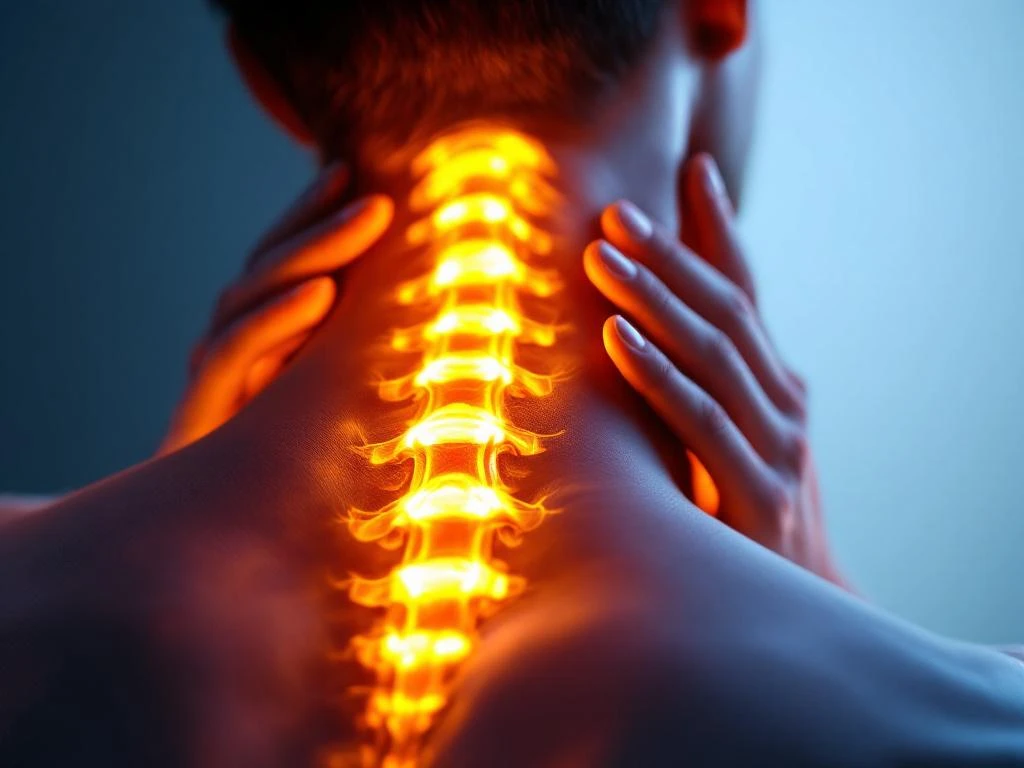
You can recognise neck pain by specific symptoms that distinguish it from other complaints. You feel stiffness in the neck, have difficulty turning your head and experience pain that often radiates to your shoulders or head. The pain is usually located at the back and sides of your neck and gets worse with movement or certain postures.
What are the typical characteristics of neck pain?
Neck pain has recognisable characteristics that help you distinguish it from other complaints. You feel stiffness in the neck muscles, restricted movement when turning or bending your head and a dull to sharp pain sensation that often radiates to your shoulders.
The pain is mainly located at the back of your neck, around the cervical vertebrae, and can extend to the sides. Many people describe it as a tense, cramped feeling that gets worse with movement. You often notice that you find it more difficult to turn your head left or right and that certain postures worsen the pain.
Other typical characteristics are:
- Pain that increases after sitting in the same position for a long time
- Tenderness when touching the neck muscles
- Sometimes tingling in your arms or hands
- Headache that starts in the neck
How do you know if headache comes from your neck?
Headache caused by neck complaints usually starts at the back of your head and radiates forward. You often feel the pain starting in your neck and creeping up to your skull. This cervicogenic headache is usually accompanied by neck stiffness and restricted movement.
Tension headache caused by neck problems has specific characteristics. The pain feels like a tight band around your head and gets worse when you move your neck. You notice that massaging your neck muscles can reduce the headache.
Recognise neck-related headache by these signals:
- Headache that starts after neck movements
- Pain that gets worse with certain neck postures
- Tender points in your neck and skull base
- One-sided headache that correlates with neck stiffness
With ordinary headache you usually don’t feel neck complaints and neck movement doesn’t help against the pain.
What is the difference between neck pain and shoulder pain?
Neck pain is located higher and more centrally than shoulder pain, around your cervical vertebrae and the base of your skull. Shoulder pain, on the other hand, you feel more at the sides, in your shoulder blades or upper arm. The movement restrictions are also different.
With neck pain you have difficulty turning your head left or right, and bending backwards is painful. Shoulder pain mainly restricts lifting your arm, reaching backwards or moving your shoulder itself.
The pain locations help you distinguish:
- Neck pain: back of neck, base of the skull, sometimes radiating to the top of your shoulders
- Shoulder pain: shoulder joint, shoulder blade, side of your arm, sometimes to your elbow
Neck pain often goes together with headache, whilst shoulder pain rarely does this. With shoulder problems you can usually still move your head normally, but lifting your arm is difficult.
When should you seek professional help for neck complaints?
Seek professional help immediately for serious symptoms such as radiating pain to your arms with tingling, sudden severe neck pain after a fall or accident, or if your neck pain is accompanied by fever and headache. These may indicate serious conditions that require immediate attention.
Professional help is also needed for persistent complaints. When your neck pain continues for longer than a week despite rest and self-care, or keeps returning, it’s time for treatment. Chronic neck pain can lead to further problems if you don’t address it.
Warning signals that require immediate action:
- Sudden, severe neck pain after trauma
- Radiating pain with tingling in your arms
- Neck pain with fever and headache
- Loss of movement that doesn’t improve
- Pain that gets worse despite treatment
Don’t wait too long to seek help. Early treatment prevents acute neck pain from becoming chronic and gives you the best chance of complete recovery.
How Ruggensteun helps with treating neck pain
We treat neck pain with a holistic approach that addresses the cause, not just the symptoms. Our specialised chiropractors use advanced techniques to effectively treat your neck complaints and prevent further problems.
Our treatment methods for neck pain include:
- Chiropractic adjustments for proper alignment of your cervical vertebrae
- Y-strap treatments for decompression of intervertebral discs
- CFR (Cranial Facial Release) techniques for headache caused by neck complaints
- Dry needling for deep muscle knots and trigger points
- Personal exercise programmes for home
We take extensive time to understand your complaints and identify the underlying causes. Whether it concerns work-related neck pain, whiplash or chronic tension, we adapt our treatment to your specific situation.
Don’t wait any longer with your neck complaints. Contact us for an appointment, or view more information about our specialised neck treatments. You can call directly without referral from your GP and we often have space quickly for urgent cases. More about our practice can be found on our website.
Sorry, the comment form is closed at this time.