


Jun
How are migraines and neck problems connected?
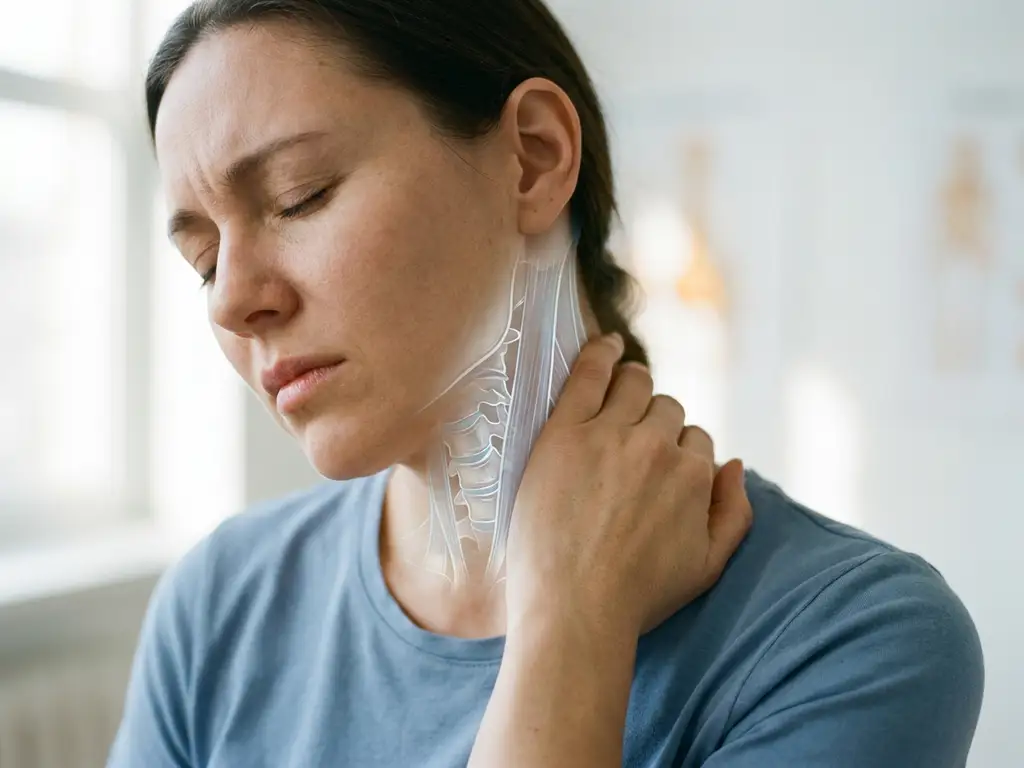
Migraine and neck problems are closely connected because the upper cervical vertebrae and the muscles surrounding the neck are directly linked to the nerve pathways that send pain signals to the head. For many people, neck dysfunction is a significant trigger or aggravating factor in migraine attacks. In this article, we answer the most frequently asked questions about this connection, from the anatomy behind the pain to knowing when to consider structural intervention.
Which muscles and joints in the neck trigger migraines?
The upper three cervical vertebrae (C1, C2, and C3) and the muscles surrounding them are the primary structures that can trigger migraines. These vertebrae are directly connected to pain areas in the head via the trigeminal nerve. When joints in this area become blocked or muscles are overloaded, they can activate pain signals that are experienced as migraines.
The suboccipital muscles — a group of small but powerful muscles at the base of the skull — play a particularly important role here. They are involved in virtually every movement of the head and respond strongly to stress, poor posture, and prolonged screen use. When these muscles become chronically tense, they create pressure on the surrounding nerves and blood vessels, increasing the likelihood of a migraine attack.
In addition, the facet joints in the cervical spine — the small joints between the vertebrae — can become inflamed or blocked. This leads to reduced mobility and increased sensitivity of the surrounding tissue, which in susceptible individuals can be a direct trigger for migraines.
How does cervicogenic headache differ from migraine?
Cervicogenic headache is headache that originates from a structural cause in the neck, whereas migraine is a neurological condition in which the brain itself becomes overstimulated. The distinction matters because the treatments differ: cervicogenic headache responds well to neck-focused treatments, while classic migraine often requires a neurological approach as well. In practice, both types can occur simultaneously and reinforce each other.
Characteristics of cervicogenic headache
Cervicogenic headache typically begins on one side of the head and radiates from the neck or the back of the head toward the forehead or eye socket. The pain often worsens with certain neck movements or positions and temporarily decreases when pressure on a specific point in the neck is relieved. Nausea and light sensitivity are less common than with classic migraines.
Characteristics of migraine
Migraine is characterized by throbbing pain, often on one side of the head, accompanied by nausea, vomiting, and extreme sensitivity to light and sound. An aura, such as flashes or tingling sensations, may precede the attack. Migraines are triggered by a wide range of factors including hormones, diet, sleep deprivation, and stress — but for some people, neck dysfunction plays an underlying role that lowers the threshold for attacks.
What are common neck problems that worsen migraines?
Neck problems that worsen migraines include joint blockages in the upper cervical vertebrae, chronic muscle tension in the suboccipital region, and increased pressure on the intervertebral discs in the cervical spine. These structural problems heighten the sensitivity of the nervous system, thereby lowering the threshold for a migraine attack.
Forward head posture is one of the most common causes of chronic neck strain. For every inch the head tilts forward relative to the shoulders, the effective load on the cervical vertebrae increases significantly. This leads to overloading of muscles and joints, which over time can trigger both neck pain and migraine attacks.
Whiplash injuries — even those that occurred years ago — can cause lasting instability or hypermobility in the upper cervical vertebrae. This instability makes the nervous system more sensitive to stimuli and may explain recurring migraines that are difficult to manage with medication alone.
Can chiropractic care reduce migraines caused by neck problems?
Chiropractic care can reduce migraines when neck dysfunction plays a demonstrable role as a trigger or maintaining factor. By correcting joint blockages in the cervical spine and improving nerve communication, chiropractic treatment can reduce the frequency and intensity of migraine attacks. The effect is greatest in people whose migraines are clearly associated with neck complaints.
A chiropractor assesses the mobility and alignment of the spine and examines the relationship between neck function and the nervous system. When blockages are present in the upper cervical vertebrae, targeted adjustments are made to restore normal function. This can reduce overstimulation of the trigeminal nerve, which plays a central role in migraines.
For people with pressure in the cervical spine, spinal decompression — such as that applied in the y-strap treatment — can help release built-up pressure in the intervertebral discs. This technique specifically targets decompression along the vertical axis of the body and can reduce the load on neck structures that trigger migraines.
When is neck pain a sign that migraines are becoming chronic?
Neck pain is a sign that migraines are becoming chronic when attacks occur more frequently, last longer, or become increasingly difficult to break with conventional remedies. When neck pain consistently precedes or coincides with migraine attacks, this points to a structural connection between neck dysfunction and the nervous system’s migraine threshold.
Specifically, these are the warning signs to take seriously:
- Neck pain that always precedes a migraine attack
- More than four migraine attacks per month with no clear alternative trigger
- Pain that starts in the neck and radiates into the head
- Increasing neck stiffness between attacks
- Reduced response to medication that previously worked
When several of these signs are present, it is worthwhile to have the spine and nervous system examined as a possible source. Treating symptoms alone does not resolve the underlying cause, and the longer a structural problem goes untreated, the greater the chance that the nervous system adapts to a state of chronic irritation.
How we help with migraines and neck problems
At Ruggensteun, we approach migraines and neck complaints at their root: we examine spinal alignment, the mobility of the cervical vertebrae, and the communication between the nervous system and the rest of the body. Our approach is non-invasive, focused on causes, and tailored to your specific situation.
What we offer:
- Specialized chiropractic treatment of the upper cervical vertebrae that trigger migraines
- Y-strap spinal decompression to relieve pressure in the cervical intervertebral discs
- Holistic assessment of posture, nervous system function, and movement patterns
- Treatment without a referral from your doctor, with prompt availability for urgent complaints
- Locations in Eindhoven and Valkenswaard, both with free parking
Do you suffer from recurring migraines and suspect your neck may be playing a role? Make an appointment at Ruggensteun and discover what targeted, cause-focused treatment can do for you.
Sorry, the comment form is closed at this time.