


Feb
How does migraine affect the nervous system?
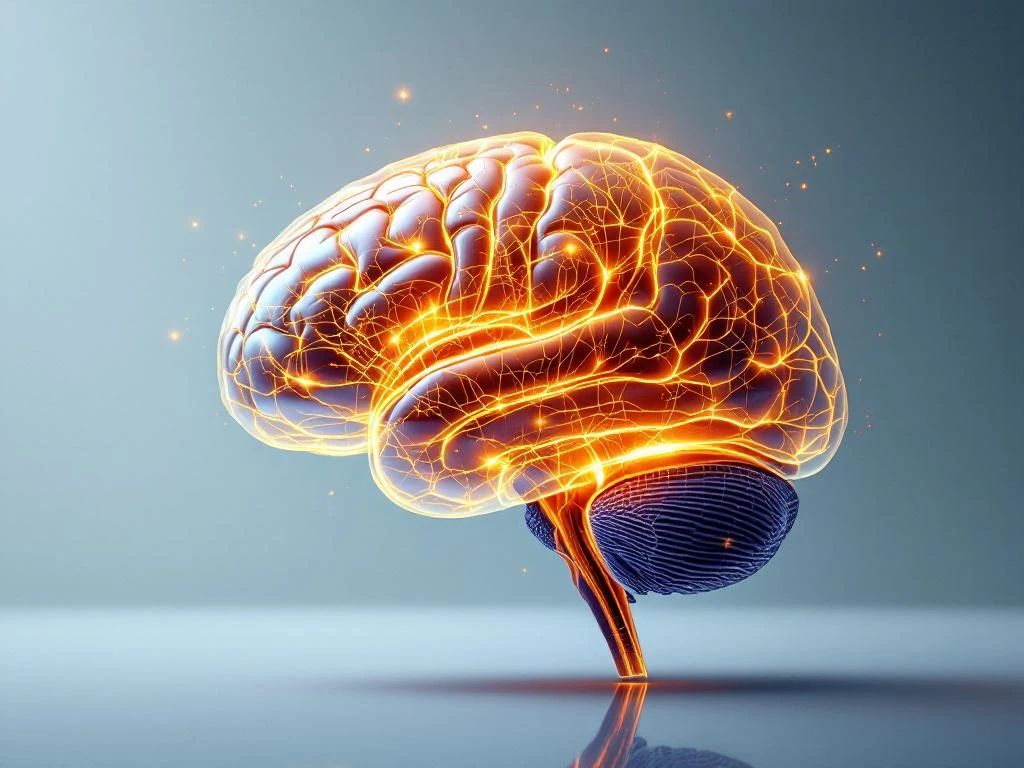
Migraine affects the nervous system through complex neurological processes involving disrupted blood vessels, neurotransmitters and brain activity. The nervous system becomes overstimulated, causing not only migraine headaches but also symptoms throughout the body, such as nausea, light sensitivity and dizziness. The spine plays a crucial role, as misalignment can disrupt the nervous system and activate migraine triggers.
What exactly happens in your brain during a migraine attack?
During a migraine attack, your nervous system undergoes a cascade of neurological changes. The brain becomes overstimulated, neurotransmitters like serotonin become imbalanced, and blood vessels in the brain dilate and constrict abnormally. These processes cause the intense pain and other symptoms characteristic of migraine.
A migraine attack typically progresses through four different phases, each with specific neurological activity. The prodromal phase begins hours or days before the headache, with the nervous system already sending signals such as mood changes or food cravings. During the aura phase, which not everyone experiences, aura spots or other visual disturbances occur due to abnormal electrical activity in the cerebral cortex.
The headache phase is characterised by intense neuroinflammation and vascular changes. The trigeminovascular system becomes activated, releasing inflammatory substances around blood vessels in the brain. This inflammatory response causes the throbbing pain and sensitivity to light and sound. The postdromal phase shows how exhausted the nervous system is after this intense neurological storm.
Why does migraine cause so many different symptoms throughout your body?
Migraine causes symptoms throughout the body because the nervous system controls and coordinates all bodily functions. When the brain becomes disrupted during a migraine attack, this affects communication with various organ systems. The autonomic nervous system, which controls unconscious functions, becomes imbalanced.
The vagus nerve and other cranial nerves play an important role in spreading migraine symptoms. These nerves connect the brain to the stomach, the balance organ and other vital structures. This is why people with migraine often experience nausea, vomiting, dizziness and extreme sensitivity to sensory stimuli.
The type of migraine can also determine which symptoms occur. Hemiplegic migraine can cause temporary paralysis, whilst vestibular migraine mainly causes balance problems. These variations show how different parts of the nervous system can be involved. The sympathetic nervous system can also become overactive, leading to increased heart rate, sweating and feelings of anxiety during an attack.
What role does the spine play in migraine and nervous system problems?
The cervical spine has a direct connection to the nervous system and can activate migraine triggers when alignment is disrupted. The upper cervical vertebrae contain important nerve connections that communicate with the brainstem and the trigeminocervical complex. Misalignment in this region can cause neurological irritation that triggers migraine attacks.
Nerve compression in the cervical spine affects blood supply to the brain and disrupts normal nerve conduction. The atlas (C1) and axis (C2) are particularly important because they surround the brainstem and contain many cranial nerves. When these vertebrae are not correctly aligned, this can lead to chronic tension and neurological irritation.
Cervicogenic headache, a specific form arising from neck problems, clearly demonstrates the connection between spinal health and neurological symptoms. Muscle tension in the neck can also restrict blood flow and allow toxins to accumulate, further burdening the nervous system. Healthy spinal alignment is therefore essential for optimal nerve function and migraine prevention.
How can you prevent migraine by balancing your nervous system?
Balancing your nervous system requires a holistic approach that reduces stress, optimises sleep patterns and counteracts inflammation. Regular exercise, meditation and breathing exercises help stabilise the autonomic nervous system. A consistent daily routine supports your body’s natural neurological cycles.
Nutrition plays a crucial role in nervous system health. Anti-inflammatory nutrition with omega-3 fatty acids, magnesium and B vitamins supports optimal nerve function. Avoiding known migraine triggers, such as certain foods, alcohol or artificial additives, helps prevent neurological irritation.
Practical migraine tips for nervous system balance include:
- Maintaining hydration for optimal nerve conduction
- Practising stress management techniques such as yoga or mindfulness
- Maintaining regular sleep-wake rhythms
- Limiting screen time to prevent sensory overstimulation
- Adopting an ergonomic work posture to reduce neck tension
Breathing exercises and progressive muscle relaxation can reduce acute stress and activate the parasympathetic nervous system, promoting recovery and balance.
How Ruggensteun helps with migraine through nervous system optimisation
We approach migraine by optimising the nervous system through specialised chiropractic treatments that address the root causes. Our holistic method focuses on spinal alignment, improving nerve function and restoring natural communication between brain and body.
Our treatments include:
- Y-strap technique – decompression of intervertebral discs and restoration of natural spinal curvature
- Cervical corrections that optimise cranial nerve function
- CFR (Cranial Facial Release) for releasing neurological tension
- Specialised treatments for acute and chronic migraine problems
- Holistic guidance on lifestyle factors affecting the nervous system
As one of the few practices in the Netherlands authorised for Y-strap treatments, we offer unique possibilities for deep neurological correction. Our specialists understand how spinal alignment directly influences nervous system health and migraine attack frequency.
Would you like to discover how our specialised approach can reduce your migraine? Read more about our migraine treatments or contact us directly for a personal consultation. Visit our website for comprehensive information about our holistic treatment methods.
Sorry, the comment form is closed at this time.