


May
How is headache related to your neck?
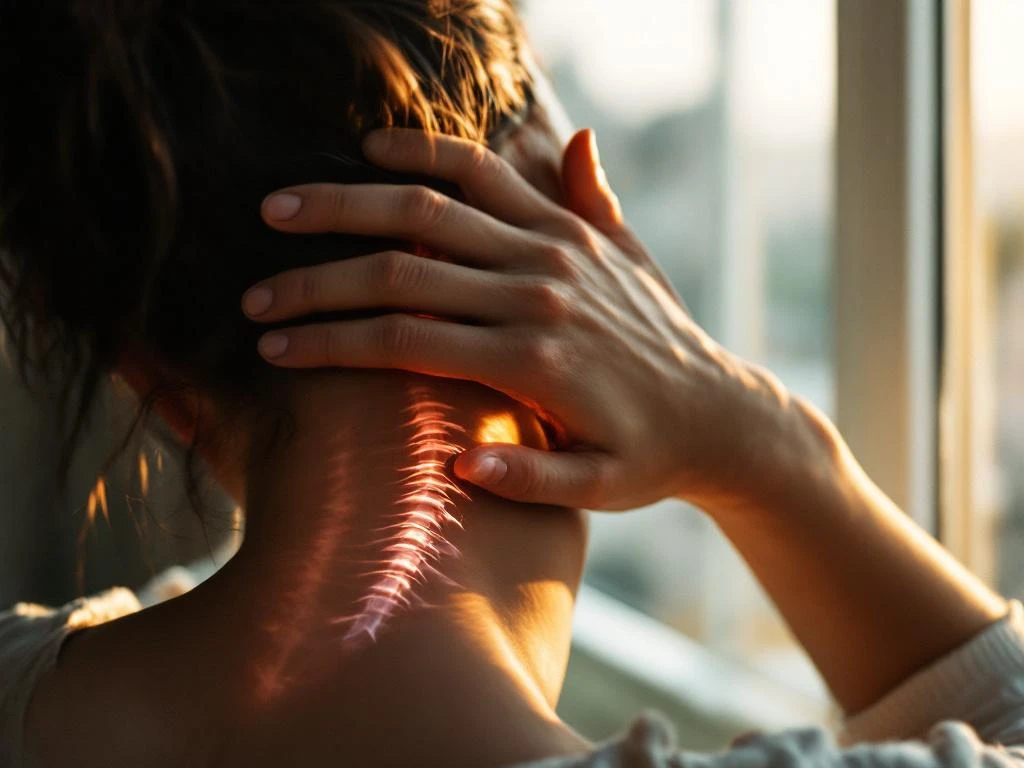
Headaches from neck problems are a common issue that arises from tension and disruptions in the neck muscles, joints and nerve pathways. The anatomical connection between neck and head ensures that problems in the upper spine directly affect headaches. Neck-related headaches are characterised by specific pain patterns and can be effectively treated with the right approach.
What is the connection between neck problems and headaches?
Neck problems and headaches are closely connected through the anatomical structures that the neck and head share. The upper three cervical vertebrae, part of the cervical spine, have direct nerve connections with the head and face.
The trigeminal nerve, which is responsible for sensation in the face and head, has connections with the nerves from the upper neck. When muscles in the neck are tense or joints do not move properly, these nerve pathways can become irritated. This irritation is transmitted to the head and causes headaches.
There are different types of neck-related headaches. Cervicogenic headaches arise directly from problems in the neck joints and muscles. Tension headaches are often caused by chronic tension in the neck and shoulder muscles. Both types can lead to recurring complaints and sometimes even nausea as a result of the headache.
How do you recognise if your headache comes from your neck?
Neck-related headaches have specific characteristics that distinguish them from other forms of headache. The pain usually starts on one side of the head, often beginning at the neck and radiating to the back, side or front of the head.
Typical symptoms are:
- Headache that starts in the neck or back of the head
- Pain that worsens with certain neck movements
- Stiffness in the neck, especially in the morning
- Sensitivity of the neck muscles when touched
- Headache that often occurs on one side
- Pain that can radiate to the shoulder
Unlike migraine, neck-related headaches are rarely accompanied by light sensitivity or nausea, although severe cases can cause headache side effects. The pain is usually a dull, persistent ache rather than a throbbing sensation.
What are the most common causes of neck-related headaches?
Poor posture is the most common cause of neck-related headaches in our modern society. Prolonged computer work, poorly designed workstations and smartphone use create chronic tension in the neck muscles.
Other important causes are:
- Stress and emotional tension that accumulate in neck and shoulder muscles
- Poor sleeping posture or an unsuitable pillow
- Whiplash from car accidents or sports injuries
- Joint wear in the cervical vertebrae
- Sudden incorrect neck movements
- Working in the same position for long periods
Computer work causes a forward head posture and raised shoulders. This posture constantly strains the neck muscles and can lead to chronic headaches. Stress also plays a major role, as tension often accumulates in the neck and jaw muscles.
Which exercises help with headaches from neck problems?
Regular stretching and strengthening exercises can significantly reduce neck-related headaches. The most effective exercises focus on relaxing tense muscles and strengthening weak neck muscles.
Effective exercises are:
- Neck rotations: slowly turning the head left and right
- Chin tucks: pushing the chin inward to stretch the neck muscles
- Shoulder shrugs: lifting shoulders up, holding and releasing
- Neck side bending: gently bending the head towards the shoulder
- Neck strengthening exercises with light resistance
Posture corrections are essential for long-term improvement. Ensure an ergonomic workplace where the screen is at eye level. Take regular breaks to move and relax the neck. Relaxation techniques such as deep breathing and mindfulness can help reduce stress-related neck tension.
How Ruggensteun helps with neck-related headaches
We offer a holistic approach to neck-related headaches by addressing the underlying causes rather than just treating the symptoms. Our specialised chiropractors use advanced techniques to align the spine and optimise the nervous system.
Our treatment includes:
- Accurate diagnosis of the cause of your neck problems and headaches
- Y-strap treatments for decompression of the intervertebral discs
- CFR techniques (Cranial Facial Release) for optimal skull-neck balance
- Targeted chiropractic adjustments for joint mobility
- Personalised exercise programmes for home use
- Posture advice and ergonomic tips
By improving nerve communication between brain and body, we activate your body’s natural self-healing ability. Many patients experience relief from their headaches after just a few treatments.
Would you like to know more about our headache treatments? Contact us for a non-binding consultation. You can make an appointment directly without a referral from your GP. Discover more about our holistic approach and experience how chiropractic care can improve your quality of life.
Sorry, the comment form is closed at this time.