


Feb
How do you recognize the symptoms of a cervical hernia?
You can recognize a neck hernia by specific symptoms such as neck pain that radiates to your arm, tingling in your fingers, headaches and muscle tension. The pain often gets worse with certain movements and may be accompanied by numbness or weakness in your arm. These symptoms occur because an intervertebral disc in your neck puts pressure on nerves. Early recognition helps you get the right treatment faster.
What exactly is a neck hernia and how does it develop?
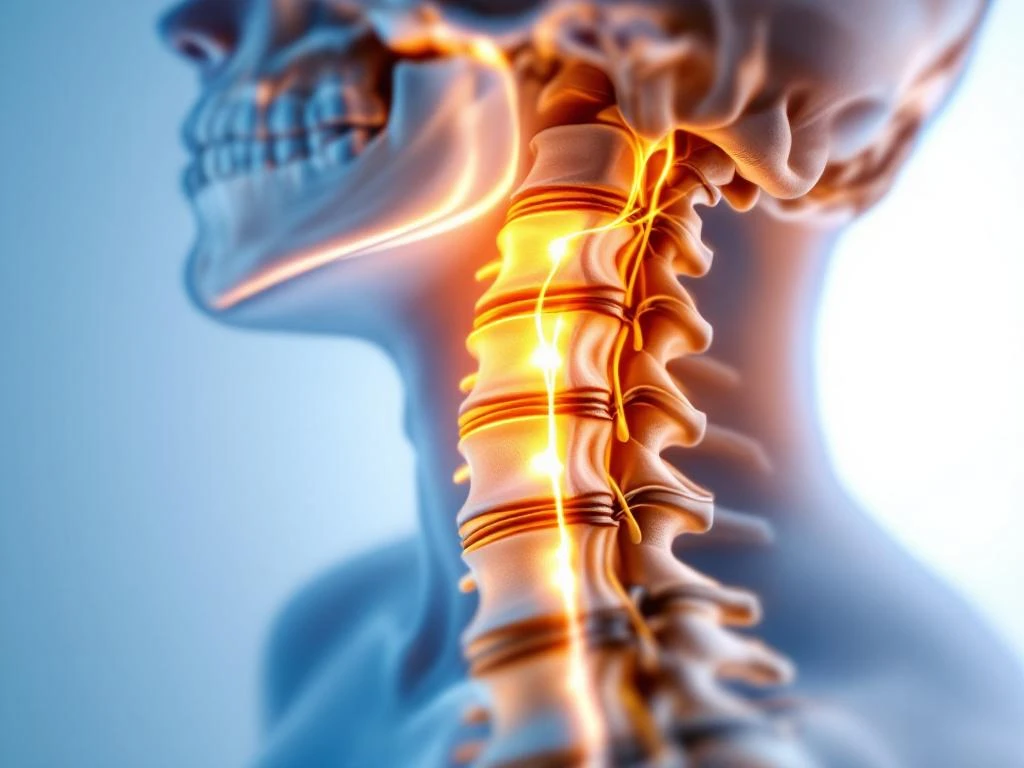
A neck hernia occurs when an intervertebral disc in your cervical vertebrae becomes damaged and puts pressure on nearby nerves. Your cervical spine consists of seven vertebrae with elastic discs between them that act as shock absorbers. These discs have a soft core, surrounded by a firm outer layer.
The most common causes of a neck hernia are gradual wear and tear due to aging, sudden wrong movements such as whiplash, prolonged poor posture from computer work for example, and acute neck blockage due to stress or a sudden movement. A crick in the neck can sometimes also be the beginning of more serious problems.
When the outer layer of an intervertebral disc weakens or tears, the soft core can push outward. This causes pressure on the nerves that run from your spinal cord to your arms. The cervical vertebrae are smaller than other vertebrae, which means there is less space and even a small protrusion can cause problems.
Which pain signals indicate a possible neck hernia?
Neck pain from a hernia has specific characteristics that distinguish it from ordinary muscle tension. The pain usually starts in your neck and radiates to your shoulder, arm and sometimes into your fingers. This radiation follows the course of the affected nerve and often feels like a sharp, burning or electric pain.
With acute neck hernia symptoms, the pain is often severe and constantly present. You notice that certain movements, such as bending your head backward or turning to the affected side, worsen the pain. Coughing, sneezing or straining can also temporarily intensify the pain, because this increases the pressure in your spinal canal.
Chronic neck hernia pain develops more gradually and can fluctuate in intensity. You may have periods with fewer complaints, followed by flare-ups. Often neck pain is accompanied by headaches or migraines, especially on one side of your head. This headache arises from tension in neck muscles and irritated nerves.
Why do you get tingling and numbness in your arm?
Tingling and numbness occur because the protruding intervertebral disc puts pressure on specific nerves that run from your neck to your arm. Each nerve supplies certain areas of your arm and hand, so the location of your symptoms indicates which nerve is affected.
When a nerve between the fifth and sixth cervical vertebrae is affected, you often feel tingling on the thumb side of your hand and forearm. With irritation of the nerve between the sixth and seventh cervical vertebrae, you experience symptoms in your middle finger and ring finger. The nerve between the seventh cervical vertebra and the first thoracic vertebra causes complaints on the little finger and ring finger side.
Besides tingling, you can also experience weakness in specific muscles. This manifests as reduced grip strength, difficulty with fine motor movements like writing or fastening buttons, or dropping objects. These symptoms can also be related to RSI or tennis elbow, but with a neck hernia there is always neck pain present as well.
When should you go to a specialist immediately?
Certain symptoms require immediate medical attention because they indicate serious nerve damage or spinal cord compression. Go directly to a specialist if you experience sudden, severe weakness in both arms, loss of control over bladder or bowel function, or progressive loss of sensation in both hands.
Also with rapidly increasing weakness in one arm, especially if you drop objects or can no longer lift your arm, quick treatment is needed. Other warning signs are severe headaches that don’t respond to painkillers, fever combined with neck pain and neurological symptoms, or complete numbness in part of your arm that rapidly increases.
Less urgent but still important signals to seek professional help are persistent neck pain for longer than a week, tingling that doesn’t improve after a few days of rest, or recurring episodes of acute neck blockage. Also when neck pain disrupts your sleep or limits daily activities, it’s wise to seek help.
How Ruggensteun helps with treating neck pain
We approach neck hernia and neck pain from a holistic perspective, where we not only treat symptoms, but also address the underlying causes. Our specialized chiropractors have extensive expertise in neck problems and have advanced treatment techniques that are specifically effective for neck hernia.
Our treatment approach includes:
- Y-strap treatments for decompression of intervertebral discs
- CFR (Cranial Facial Release) techniques for optimal nerve function
- Specialized treatment of acute neck blockages and whiplash
- Dry needling for deep muscle relaxation and pain relief
- Treatment of related complaints such as headaches, migraines and jaw problems
We focus on restoring the natural alignment of your spine and improving communication between your nervous system and body. This activates your body’s own healing capacity and ensures lasting improvement of your complaints.
You can directly contact us without a referral from your GP. For more information about our neck pain treatments or to get acquainted with our approach, visit our practice in Eindhoven or Valkenswaard. We offer quick availability for urgent cases and free parking at both locations.
Sorry, the comment form is closed at this time.