


Jul
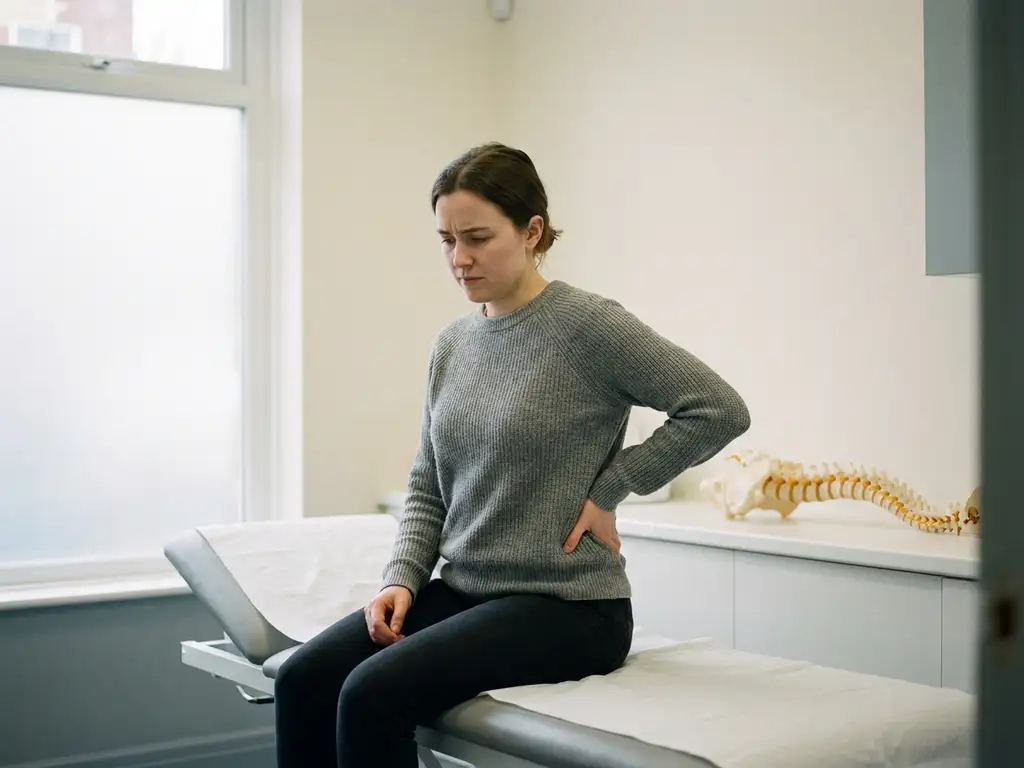
How do you know if your back pain needs structural treatment?
Back pain requires structural treatment when symptoms persist for more than six weeks, recur regularly, or are accompanied by radiating pain, numbness, or restricted movement. In those cases, the pain typically points to an underlying cause in the spine or nervous system, not a temporary strain. The questions below help you recognize when that is the case and what you can do about it.
When is back pain more than a temporary discomfort?
Back pain is more than a temporary discomfort when symptoms persist for more than six weeks, keep returning in the same spot, or worsen with certain movements and positions. Acute muscle pain after physical exertion usually disappears within a few days. If the pain remains or intensifies, there is almost always something structural going on.
An important distinction is how the pain behaves. Temporary back pain responds well to rest and light movement. Structural back pain, on the other hand, barely improves with rest, returns after activities you normally handled without difficulty, or radiates into the legs, buttocks, or shoulders. Pain that gets worse at night or that constantly forces you to adjust your sleeping position is also a signal that the underlying cause runs deeper.
Lifestyle factors such as prolonged sitting, poor posture at work, or chronic stress can contribute to a buildup of pressure on the vertebrae and intervertebral discs. That pressure does not resolve on its own the moment you take a break. Without targeted treatment of the underlying cause, the spine remains under tension and symptoms continue to return.
What are the signs that back pain has a structural cause?
Signs that back pain has a structural cause include radiating pain into the legs or arms, numbness or tingling, recurring symptoms in the same location, pain that worsens with prolonged sitting or standing, and a sense of stiffness that does not go away after moving. These signs point to pressure on nerves or intervertebral discs.
Specific warning signs to watch for:
- Pain that radiates from the lower back into the buttocks, legs, or feet
- Tingling or numbness in the arms, hands, legs, or feet
- Symptoms that return after every period of recovery
- Morning stiffness that lasts longer than thirty minutes
- Headaches or neck pain that occur alongside back complaints
- Pain that increases after prolonged sitting, standing, or certain movements
Each of these signs can indicate pressure in the cervical, thoracic, or lumbar spine. The spine and nervous system are closely connected: when a vertebra does not move properly or an intervertebral disc is under pressure, it can disrupt communication between the brain and the body. This leads not only to pain at the site itself, but also to symptoms elsewhere in the body.
What is the difference between symptom relief and structural treatment?
Symptom relief temporarily reduces pain without addressing the underlying cause, while structural treatment focuses on restoring the function of the spine and nervous system. Painkillers, rest, or heat therapy can provide relief, but they do not resolve a blocked vertebra or an overloaded intervertebral disc.
The difference is most clearly visible in long-term outcomes. People who rely solely on symptom relief find that the pain returns as soon as the medication wears off or the rest period ends. The underlying tension in the spine remains and continues to build.
Structural treatment targets the cause: restoring proper spinal alignment, reducing pressure on intervertebral discs, and improving joint mobility. When the spine is properly aligned and nerve communication flows without interference, the body has the conditions it needs to heal itself. That is a fundamentally different approach than suppressing pain signals.
How does a chiropractor determine whether back pain is structural?
A chiropractor determines whether back pain is structural by combining a thorough intake consultation with a physical examination of the spine, joints, and nerve function. This includes assessing mobility, postural deviations, muscle tension, and reflexes. Based on these findings, it is determined whether a functional limitation or structural abnormality is present.
During the examination, the chiropractor assesses, among other things:
- The mobility of individual vertebrae and joints
- The posture and alignment of the spine as a whole
- The presence of muscle tension or trigger points around the spine
- Neurological signs such as altered reflexes or sensory disturbances
- The relationship between symptoms and daily load or movement patterns
The intake consultation is just as important as the physical examination. How long the symptoms have been present, what triggers or relieves them, and which previous treatments have been tried all give the chiropractor essential context. This creates a complete picture of both the immediate complaint and its deeper cause, forming the basis for a treatment plan that truly fits.
Which back conditions are treated structurally with chiropractic care?
Chiropractic care structurally treats a wide range of back conditions, including chronic lower back pain, herniated discs, lumbago, neck pain, radiating pain caused by nerve compression, tension headaches related to the spine, and complaints resulting from prolonged poor posture. Recurring symptoms without a clear trigger are also suitable for structural chiropractic care.
A treatment method particularly well suited for structural spinal conditions is the y-strap treatment. This technique works through spinal decompression: the head is drawn along the vertical axis of the body, releasing built-up pressure in the intervertebral discs in a targeted manner. This is comparable to spinal traction, but combines decompression with the possibility of a chiropractic adjustment.
The chiropractor chooses between two forms of application. A slow stretching movement gently and controllably decompresses the spine, targeting relaxation and general pressure reduction. The HVLA movement — a rapid movement with limited displacement — is used when a blocked vertebra requires a direct adjustment. Both forms are recognized techniques within manual medicine and are applied worldwide.
In addition to y-strap traction therapy, chiropractic care also employs other techniques depending on the nature of the condition, such as CFR for cranial tension or dry needling for deep muscle problems. The choice of treatment method always depends on the findings from the examination.
Do you need a referral from your doctor for chiropractic care?
No, you do not need a referral from your doctor to see a chiropractor. You can contact a chiropractic practice directly and make an appointment yourself. This makes chiropractic care easily accessible, even for acute complaints where you want to be seen quickly without having to navigate the regular healthcare system first.
This is an important advantage for people dealing with long waiting times at other healthcare providers. For urgent complaints — such as acute neck pain, severe radiating pain, or suddenly worsening back symptoms — direct access can make a real difference. Prompt treatment prevents symptoms from worsening further or becoming chronic.
Chiropractic care is not covered by basic health insurance, but is (partially) reimbursed by many supplemental insurance plans. It is advisable to check this with your insurer in advance. A referral is generally not required for this, but some insurers do require that the practitioner be registered with a recognized professional association.
How Ruggensteun helps with structural back conditions
At Ruggensteun, we offer a comprehensive approach for people who are done with temporary solutions and want to address their back problems at a structural level. From our locations in Eindhoven and Valkenswaard, we treat a broad spectrum of spinal, nervous system, and musculoskeletal conditions — from chronic lower back pain and neck complaints to radiating pain and tension headaches.
What sets us apart:
- We are one of the few chiropractors in the Netherlands certified for the y-strap treatment, a targeted spinal decompression technique that is effective for both neck and back complaints
- We work without a doctor’s referral, so you can come to us directly, even for acute complaints
- Our chiropractors have specializations in y-strap, CFR, dry needling, neurological conditions, and care for babies, children, and pregnant women
- We take a holistic approach that places the structural cause of your complaints at the center — not the symptom
- Free parking is available at both locations
Do you recognize the signs described in this article in yourself? Contact Ruggensteun directly and schedule an appointment. Together, we will look at the cause of your complaints and put together a treatment plan that delivers real, lasting results.
Sorry, the comment form is closed at this time.