


Mar
Does massage help with headaches?
Massage can be effective for various types of headaches, especially tension headaches and neck-related headaches. By reducing muscle tension and improving blood circulation, massage helps address underlying causes. However, not all types of headaches respond equally well to massage, and sometimes alternative treatments are needed.
What causes headaches and how can massage help?
Headaches often arise from muscle tension in the neck and shoulders, stress, poor posture and reduced blood circulation. These factors cause muscles to cramp and nerves to become irritated, which triggers headaches. Massage works by directly addressing these underlying causes.
Muscle tension is one of the most common causes of headaches. When you sit at a computer for long periods or experience stress, the muscles in your neck, shoulders and jaw tighten up. This tension can radiate to your head and cause headaches. Poor sleeping posture also contributes to muscle tension and subsequent headaches.
Massage helps by:
- reducing muscle tension in the neck, shoulders and scalp
- improving blood circulation, allowing more oxygen to reach the brain
- reducing stress and tension by promoting relaxation
- eliminating trigger points that can cause headaches
Which types of headaches respond best to massage?
Tension headaches and cervicogenic headaches respond best to massage. These types of headaches arise from muscle tension and postural problems, which can be effectively treated with massage. Migraines may also benefit from massage, but require a more careful approach.
Tension headaches feel like a tight band around your head and are caused by tense muscles. This is the most common type of headache and responds excellently to massage of the neck, shoulders and scalp. The pain is usually mild to moderate and affects both sides of the head.
Cervicogenic headaches begin in the neck and radiate to the head. This form arises from problems in the upper spine and tense neck muscles. Massage of the neck and shoulder muscles can effectively reduce this type of headache.
For migraines, gentle massage can help during an attack, but firm pressure may worsen the pain. Preventive massage between attacks can be beneficial. Cluster headaches and headaches due to underlying medical conditions usually do not respond well to massage.
Which massage techniques are most effective against headaches?
Trigger point massage, neck massage and shoulder massage are the most effective techniques against headaches. These targeted approaches address specific muscle tensions that cause headaches. Facial massage can also help with certain types of headaches.
Trigger point massage focuses on small, tense knots in muscles that can radiate pain to the head. These points are often located in the neck, shoulders and jaw muscles. By applying targeted pressure, these trigger points can be released.
Neck massage works on the deep neck muscles that often cramp due to stress or poor posture. This massage uses slow, deep movements to release tension. Special attention is paid to the muscles at the base of the skull.
Shoulder massage treats the large muscle groups that can transmit tension to the head. This includes the trapezius and other shoulder muscles that are often tense from computer work or stress.
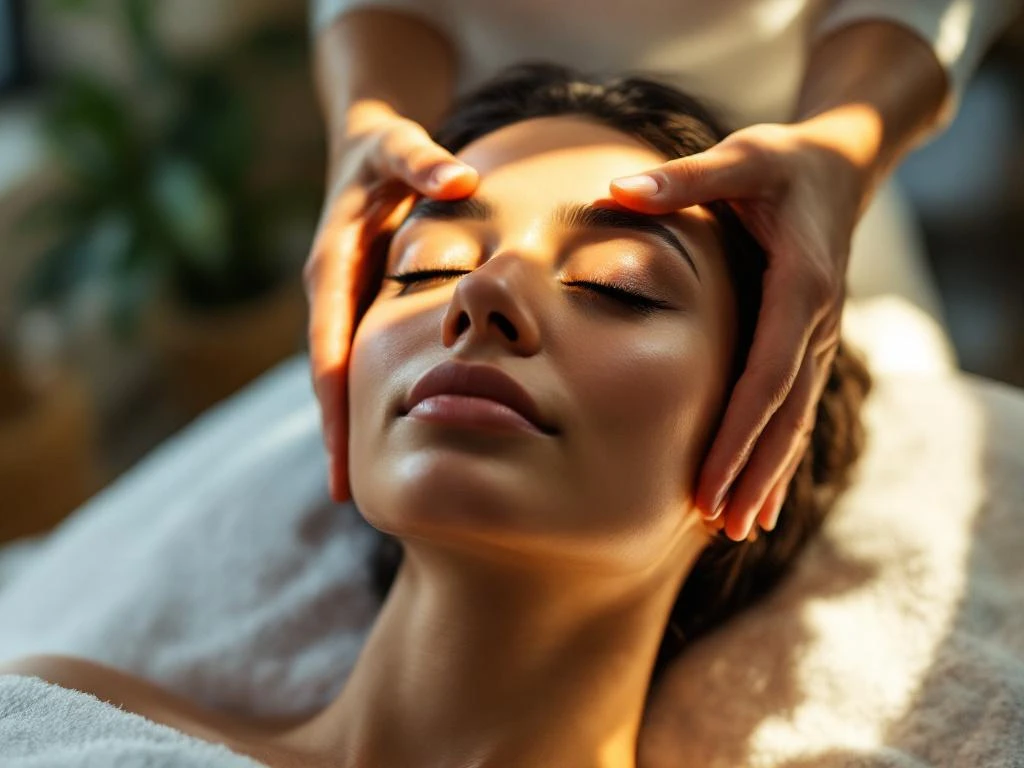
Facial massage can help with headaches accompanied by nausea or tension around the eyes. Gentle, circular movements around the temples and forehead can provide relief.
When doesn’t massage work for headaches and what are the alternatives?
Massage doesn’t work for headaches caused by underlying medical conditions, acute migraine attacks or structural problems in the spine. Also, for sudden, severe headaches or headaches with neurological symptoms, massage is not suitable and medical help is needed.
Warning signs when you should not use massage:
- sudden, severe headache that feels different from usual
- headache with fever, neck stiffness or confusion
- headache after a head injury or fall
- headache with vision problems or speech difficulties
- headache that keeps getting worse despite treatment
When massage doesn’t help, other treatments can be effective. Physiotherapy can help with posture-related headaches. Medication may be necessary for chronic migraines or other medical causes. Stress management and lifestyle adjustments are also important alternatives.
Some people experience headaches as a side effect of certain medications, making natural treatments like chiropractic care a good alternative. Structural problems in the neck and spine can also contribute to recurring headaches that cannot be resolved with massage alone.
How Ruggensteun helps with headaches
We treat headaches by addressing the underlying causes in the spine and nervous system. Our specialist chiropractic techniques go beyond symptom management and focus on structural recovery of the neck and upper back.
Our approach to headache treatment includes:
- a thorough analysis of spinal alignment and nerve function
- specialised techniques such as CFR (Cranial Facial Release) for headaches
- treatment of cervical vertebrae problems that cause headaches
- a holistic approach that balances body and nervous system
- preventive care to prevent headache recurrence
Many patients experience relief from chronic headaches when underlying spinal problems are corrected. Our chiropractors specialise in treating cervicogenic headaches and tension headaches by addressing the cause at its source.
Would you like to know more about how we treat headaches and what options are available for you? Contact us for a personal consultation about your headache complaints. You can make an appointment directly without a GP referral. More information about our practice and treatments can be found on our website.
Sorry, the comment form is closed at this time.