


Apr
Can children also get headaches?
Yes, children can certainly get headaches, just like adults. Headaches occur in children much more frequently than many parents realize and can appear from as early as preschool age. Although the symptoms are sometimes different from those in adults, children experience real pain that must be taken seriously. These headaches can have various causes and require a thoughtful approach that suits their age.
Can children really get headaches, just like adults?
Children can experience real headaches from around 3 to 4 years old, although it occurs less frequently in young children than in teenagers. Studies show that approximately 40% of children have experienced headaches before their seventh year. In teenagers, this percentage rises to about 75%, which is comparable to adults.
The difference with headaches in adults often lies in the duration and the way the complaints manifest themselves. Headaches in children are usually shorter than in adults, often 30 minutes to 2 hours, while headaches in adults can persist for hours or days. Children also experience nausea with headaches more frequently than adults and can suddenly be completely recovered after rest or sleep.
Parents don’t always recognize headaches in children because young children express their pain differently. They might say their head “hurts” or “pounds,” or they simply become irritable and tired without being able to clearly explain what’s wrong.
What are the most common causes of headaches in children?
Most headaches in children have primary causes that don’t indicate an underlying illness. Tension headaches are most common and arise from stress, fatigue, hunger, or poor posture. Migraines also occur in children and often have a hereditary component.
Common triggers are:
- Too little sleep or a disrupted sleep rhythm
- Dehydration or insufficient fluid intake
- Excessive screen time and eye strain
- Stress from school, friends, or changes at home
- Hunger or skipping meals
- Poor posture while sitting or sleeping
- Bright lights or loud sounds
Secondary headaches in children can arise from fever, colds, ear infections, or very rarely, from more serious conditions. Fortunately, dangerous causes are rare in children.
How do you recognize headaches in children who can’t explain it well?
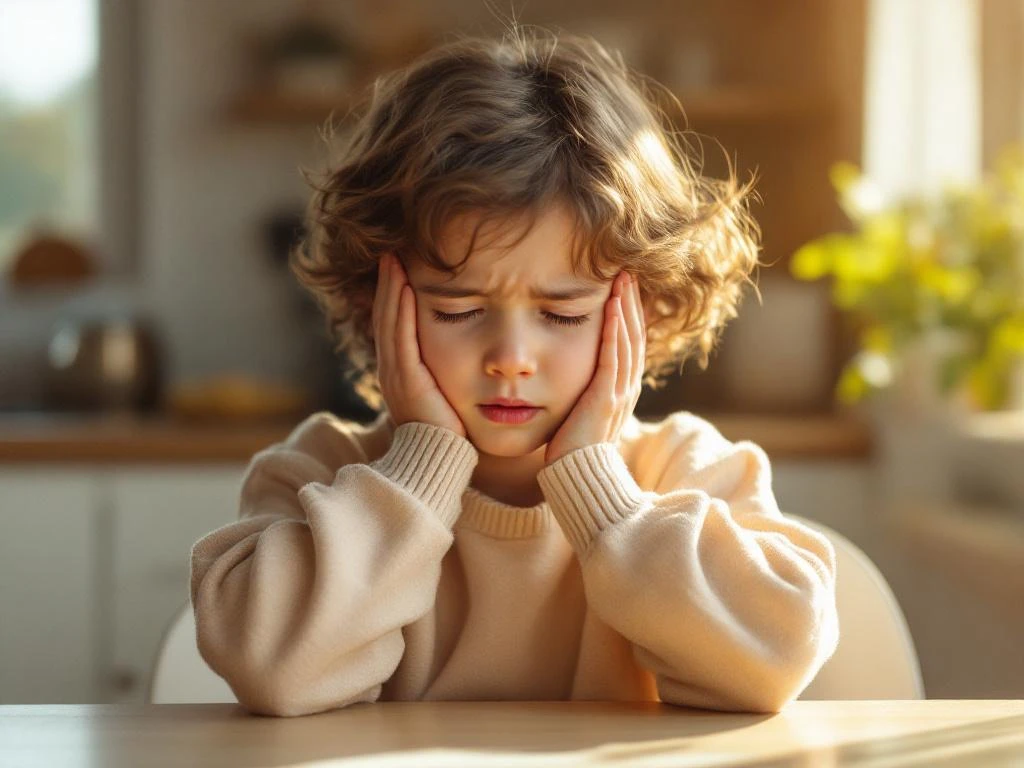
Young children often can’t clearly describe headaches, but there are recognizable signs. They suddenly become quiet, irritable, or whiny without clear reason. Many children spontaneously lie down, seek out a dark place, or put their little hands against their head.
Physical signs to watch for:
- Rubbing the forehead or temples
- Squinting or having trouble with light
- Looking pale or having dark circles under the eyes
- Nausea or loss of appetite
- Sudden behavioral changes or irritability
- Difficulty concentrating during play
You can distinguish real headaches from other complaints because children often seek rest and get better in a quiet, dark environment. With other pain, they usually remain active or seek distraction.
Which natural methods help against headaches in children?
Natural treatment often works well for headaches in children and has no side effects from headache medication. Rest in a dark, quiet room is usually most effective. Make sure your child drinks enough, as dehydration is a common cause.
Effective natural methods:
- Gently massaging temples and neck
- A cool, damp cloth on the forehead
- Doing quiet breathing exercises together
- Ensuring sufficient sleep and regular bedtimes
- Regular meals and healthy snacks
- Limiting screen time, especially before sleep
- Relaxing activities, such as quietly listening to music
Also pay attention to your child’s posture while sitting, reading, or playing. Poor posture can cause tension in the neck and shoulders, which can trigger headaches.
When should you see a specialist for headaches in children?
Seek medical help if headaches in your child return regularly, get worse, or are accompanied by fever, vomiting, or behavioral changes. Also when headaches affect your child’s daily life, professional guidance is important.
Warning signs for immediate medical care:
- Sudden, very severe headache
- Headache with fever and neck stiffness
- Headache after a fall or head injury
- Changes in behavior, speech, or movement
- Headaches that keep getting worse
- Headache with problems seeing or hearing
For chronic headaches, chiropractic care can help, especially when the cause lies in posture, neck tension, or stress. This natural approach focuses on addressing underlying causes without medication.
How Ruggensteun helps with headaches in children
We offer specialized care for children with headaches through a holistic approach that addresses the underlying causes. Our child specialists understand how headaches in children differ from headaches in adults and adapt their treatment accordingly.
Our approach to headaches in children includes:
- Gentle chiropractic treatment, adapted for children
- Evaluation of posture and movement patterns
- Advice on sleep, nutrition, and lifestyle
- Relaxation techniques that children can easily learn
- Guidance for parents on preventive measures
- Collaboration with other healthcare providers when necessary
By gently aligning the spine and improving nerve communication, we help the body’s natural healing process. This can reduce headaches and improve your child’s overall health.
Would you like to know more about how we treat headaches in children? Feel free to contact us for a no-obligation consultation. On our website you’ll find more information about our specialized care for the whole family.
Sorry, the comment form is closed at this time.