


Mar
Can aura spots occur without headache?
Yes, aura spots can indeed occur without headaches in migraine. This phenomenon is also called ‘silent migraine’ or ‘migraine without headache’. People then experience the visual disturbances, such as zigzag lines, flickering lights or blind spots, but do not get pain complaints. This occurs more often than many people think and is a normal phenomenon within the spectrum of migraine.
What are aura spots and how do you recognise them?
Aura spots are visual disturbances that occur as part of migraine and manifest as different types of vision disorders. These phenomena arise from temporary changes in the brain and are completely reversible.
The most common characteristics of aura spots are:
- Zigzag lines or flickering patterns at the edge of your visual field
- Blind spots that gradually become larger
- Flashing or blinking lights
- Wavy or trembling images
- Temporary loss of vision in parts of your visual field
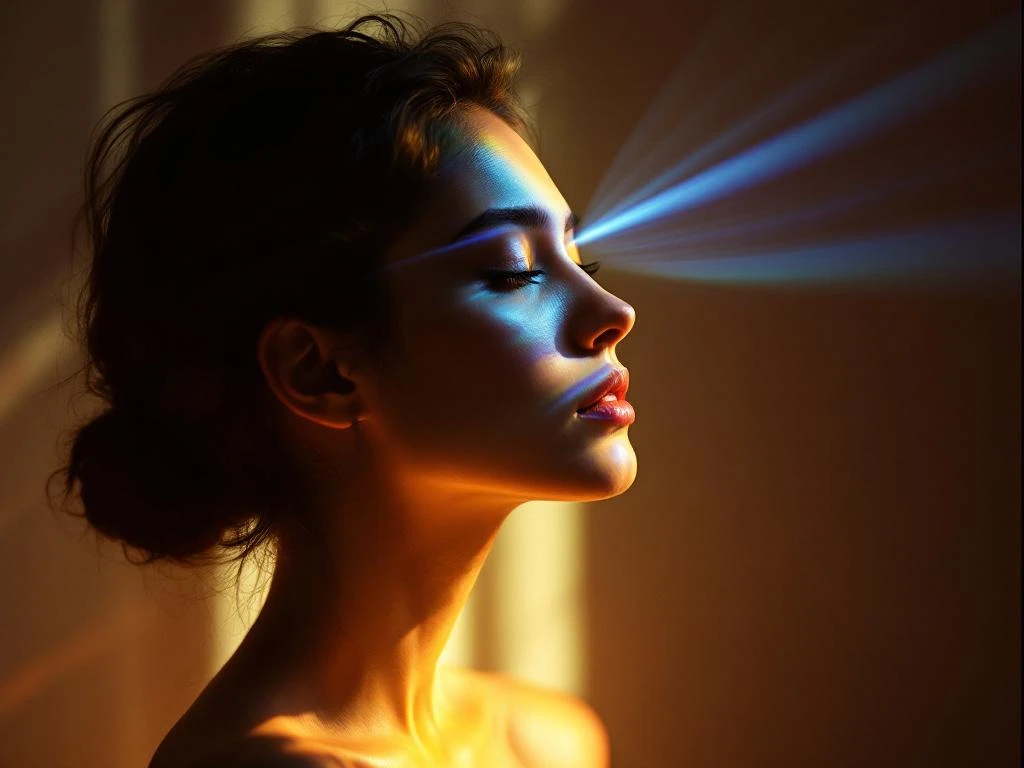
A typical aura episode often starts small and slowly expands over a period of 5 to 60 minutes. Many people describe it as a sort of rainbow pattern that moves through their visual field. The experience can vary from a slight visual disturbance to more pronounced vision problems that temporarily make reading or driving difficult.
Can aura spots occur without you getting a headache?
Yes, aura spots can certainly occur without headache in migraine. This is medically called ‘acephalic migraine’ or ‘silent migraine’ and occurs in approximately 20–25% of all migraine patients. You then experience all the neurological symptoms, but without the typical pain component.
There are various reasons why some people only experience aura symptoms:
- The neurological processes that cause aura are different from those of headache
- Age plays a role: older people more often get aura without headache
- Hormonal changes can influence whether or not pain occurs
- Individual sensitivity to migraine triggers differs per person
This form of migraine is completely normal and equally valid as migraine with headache. It is important to know that the aura phase and headache phase of migraine have different mechanisms, so they can also occur separately.
What causes aura spots in your brain?
Aura spots arise from a neurological process called ‘cortical spreading depression’: a wave of electrical activity that slowly moves through the cerebral cortex. This process temporarily disrupts the normal brain activity in areas that are responsible for vision.
The mechanism works as follows:
- A wave of increased electrical activity begins at the back of the brain
- This wave is followed by a period of reduced activity
- The visual cortex, which processes visual information, becomes temporarily disrupted
- This causes the characteristic visual symptoms of aura
The involved brain areas are located mainly in the occipital cortex: the area at the back of your head that processes visual information. The nerve pathways that transport signals between your eyes and brain can also be affected. That explains why the symptoms often begin in your peripheral vision and move towards the centre.
Migraine triggers such as stress, certain foods, hormonal changes or sleep deprivation can set this process in motion in sensitive individuals.
When should you worry about aura spots?
Normal migraine aura is usually harmless, but there are certain warning signs where you should seek medical help. It is important to know the difference between ordinary aura symptoms and signs that may indicate more serious neurological problems.
Seek immediate medical help with:
- Suddenly occurring, severe headache that you have never had before
- Aura symptoms that persist for longer than an hour
- Sudden loss of speech, strength or sensation
- Confusion or loss of consciousness during an episode
- Aura that occurs for the first time after your 50th year
Normal migraine aura is characterised by gradual development, complete recovery within an hour and recognisable patterns if you have dealt with it before. The symptoms are usually visual and move slowly through your visual field.
If you have doubts about your symptoms or if the pattern of your aura suddenly changes, it is always wise to contact a healthcare provider for proper assessment.
How can chiropractic help with aura spots and migraine?
Chiropractic treatment can contribute to reducing migraine and aura symptoms by improving spinal alignment and optimising nerve function. The holistic approach focuses on addressing underlying causes rather than just symptom management.
Our specialised treatments include:
- Spinal corrections to reduce tension in neck and shoulders
- Y-strap treatments for decompression of the intervertebral discs
- CFR techniques (Cranial Facial Release) for better blood circulation
- Dry needling to address muscle tension and migraine triggers
- Holistic guidance in identifying personal triggers
By improving communication between brain and body via the nervous system, we can support your body’s natural self-healing ability. Many patients experience not only fewer migraine attacks, but also a decrease in the intensity of aura symptoms.
At Ruggensteun we offer specialised migraine treatments in our locations in Eindhoven and Valkenswaard. You can contact us directly without referral from your GP. For more information about our holistic approach you can visit our website or contact us for a personal consultation.
Sorry, the comment form is closed at this time.