


Feb
Can a cervical hernia heal without surgery?
Yes, a cervical hernia can often heal without surgery. Most people with a cervical hernia recover within a few weeks to months through conservative treatment, such as rest, physiotherapy and chiropractic care. Your body has a natural ability to heal, especially when the right support is provided. Only in severe cases with neurological deficits is surgery necessary.
What is a cervical hernia and how does it develop?
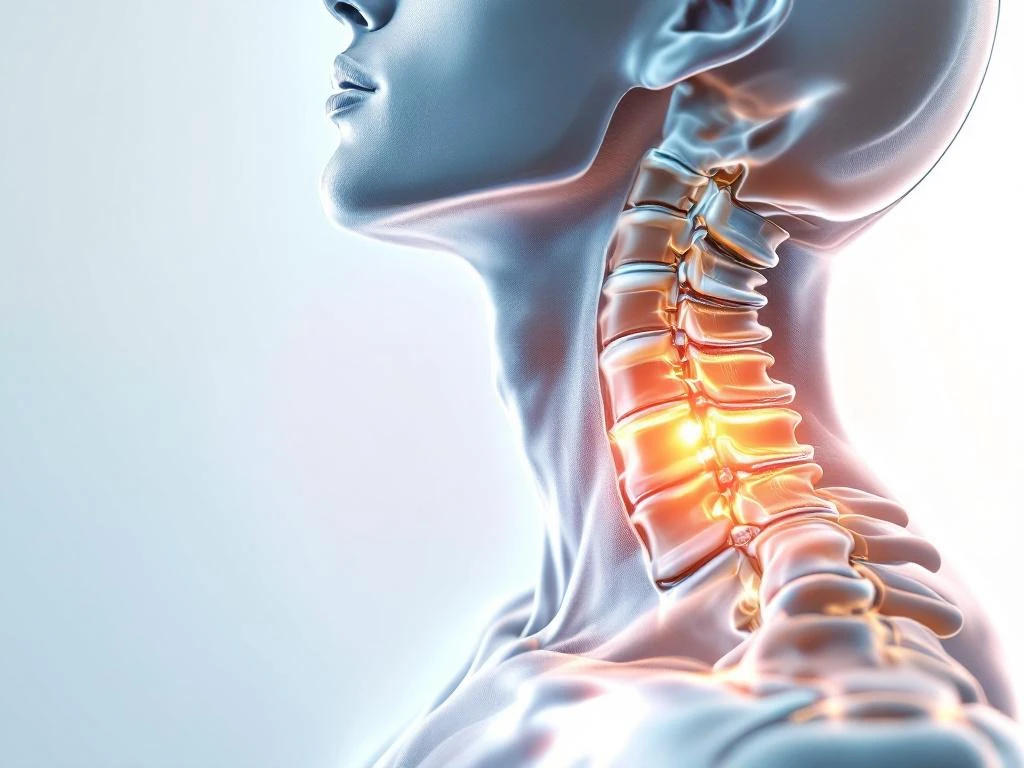
A cervical hernia occurs when the soft core of an intervertebral disc in the neck breaks through the outer fibrous ring and puts pressure on nearby nerves. The cervical spine consists of seven vertebrae with discs between them that act as shock absorbers and enable movement.
The intervertebral discs consist of a firm outer ring and a gel-like core. Through wear and tear, sudden movements, whiplash or prolonged stress, these discs can weaken. Factors that contribute to the development of a cervical hernia include:
- Prolonged computer work with poor posture
- Acute neck blockage due to incorrect movement
- Whiplash after a car accident
- Chronic stress causing muscle tension
- Natural ageing of the spine
There are different types of hernias, from small bulges to complete tears. The location and severity determine which symptoms you experience and how long recovery takes.
Which symptoms indicate a cervical hernia?
The most common symptoms of a cervical hernia are persistent neck pain that radiates to shoulders and arms, tingling in the fingers and loss of strength in the arm. Headaches and migraines can also occur due to nerve irritation in the cervical spine.
Recognisable signs are:
- Neck pain that worsens with certain movements
- Radiating pain to shoulder, arm or hand
- Tingling or numbness in the fingers
- Loss of strength when gripping objects
- Headache that starts in the neck
- Stiff neck that doesn’t go away
- Stiffness and limited movement
Symptoms can vary from mild to severe and sometimes occur suddenly after an incorrect movement. In case of severe neurological deficits, such as complete numbness or severe loss of strength, you should seek immediate medical help.
How can you treat a cervical hernia without surgery?
Conservative treatment is usually successful for cervical hernias. Rest in the acute phase, followed by gradual mobilisation and specific exercises, helps the natural healing process. Physiotherapy, chiropractic care and pain management effectively support this process.
Proven non-invasive methods include:
- Rest and movement modification in the first days
- Physiotherapy for muscle strengthening and mobility
- Chiropractic treatment for spinal alignment
- Heat and cold therapy for pain relief
- Exercise therapy for neck stability
- Stress reduction and relaxation techniques
- Ergonomic adjustments in the workplace
Effectiveness depends on early intervention and consistent treatment. Most people experience improvement within two to six weeks. Patience is important, as nerve tissue needs time to heal.
Lifestyle adjustments, such as better sleeping posture, regular exercise and good stress management, help prevent recurrence of symptoms. RSI and tennis elbow can also be related to neck problems due to poor posture.
When is surgery necessary for a cervical hernia?
Surgery is considered when conservative treatment shows no improvement after six to twelve weeks and there are severe neurological deficits. Alarm symptoms such as progressive loss of strength, complete numbness or problems with fine motor skills may require surgical intervention.
Criteria for surgical treatment include:
- Progressive neurological deficits despite treatment
- Severe loss of strength in arm or hand
- Persistent, unbearable pain after months of treatment
- Loss of function that impairs daily activities
- A large hernia compressing important nerves
Fortunately, less than ten percent of people with a cervical hernia ultimately need surgery. Most cases respond well to conservative care, especially when started early.
Even with jaw problems related to neck complaints, a holistic approach without surgery can often provide a solution.
How Ruggensteun helps treat neck pain
We offer a unique approach to cervical hernias by combining specialised techniques with holistic care. Our expertise in Y-strap treatment and CFR (Cranial Facial Release) makes it possible to create decompression in the intervertebral discs and stimulate natural healing.
Our approach includes:
- Y-strap treatment for decompression of cervical vertebrae
- CFR for improvement of nerve communication
- A holistic approach focused on the causes
- Treatment of related complaints, such as headaches and migraines
- Quick availability for acute neck blockages
- Preventive care and ergonomic advice
We work with your body’s natural self-healing ability by aligning the spine and improving nerve communication. This helps not only with cervical hernias, but also with related problems such as stress, headaches and RSI complaints.
You can contact us directly, without a GP referral. For more information about our neck pain treatments or to make an appointment, visit our website or contact us. We are happy to help you on your way to a pain-free neck.
Sorry, the comment form is closed at this time.