


Apr
Can a deviated septum be treated without surgery?
A deviated nasal septum can in certain cases be improved without surgery through non-invasive treatments such as cranial facial release, nasal spray and manual therapy. Although these methods cannot completely correct the anatomical deviation, they can reduce symptoms and improve breathing. The effectiveness depends on the severity of the deviation and the underlying cause.
What is a deviated nasal septum and how does it develop?
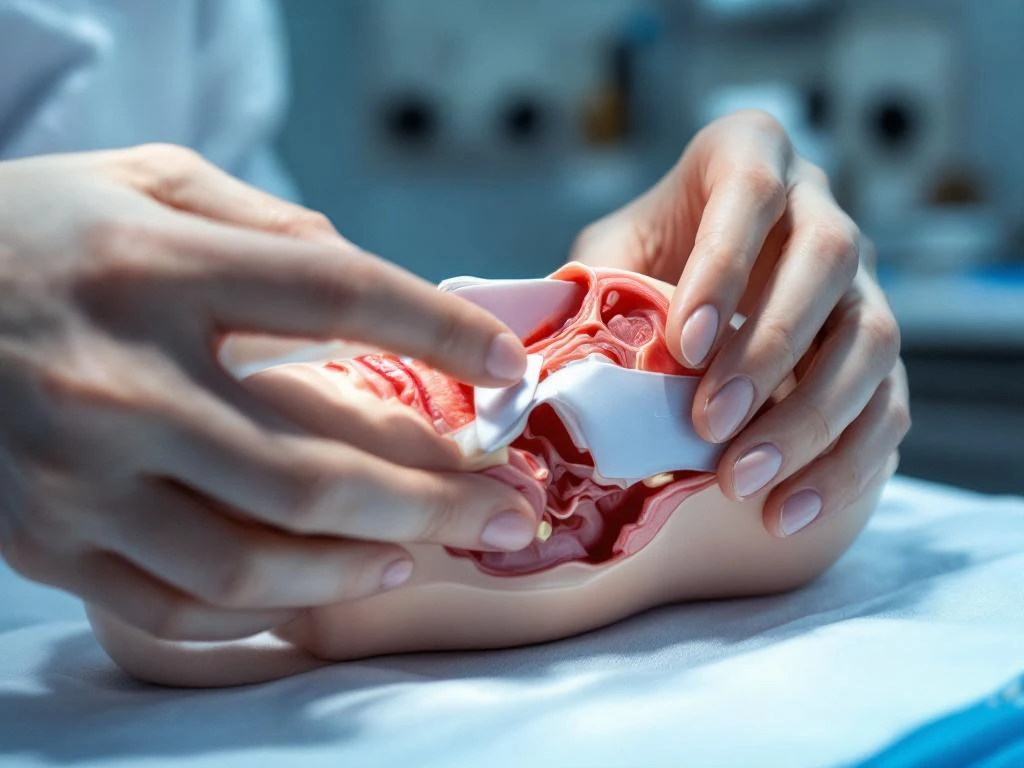
The nasal septum is a thin wall of cartilage and bone that divides the nasal cavity into two equal parts. With a deviated nasal septum, this wall is not straight, causing one nostril to become narrower than the other. This creates unequal airflow and can cause various complaints.
The deviation can develop in various ways. Congenital deviations occur when the nasal septum does not form properly during development in the womb. Trauma from a broken nose, a blow or a fall can displace the nasal septum. Changes can also occur during growth, especially during puberty when the nose is still fully developing.
The deviation obstructs normal airflow through the nose. The narrower nostril receives less air, while the wider nostril often has to compensate. This disrupts the natural moistening and filtering of inhaled air, which can lead to various complaints.
What complaints does a deviated nasal septum cause?
A deviated nasal septum mainly causes unilateral nasal congestion, where one nostril functions structurally less well. This leads to mouth breathing, especially at night, which has various consequences for health and wellbeing.
Common symptoms are:
- Chronic unilateral nasal congestion
- Snoring due to mouth breathing
- Dry mouth and throat, especially in the morning
- Headaches and facial pain
- Recurring sinus infection (sinusitis)
- Reduced sense of smell
- Fatigue due to poor sleep quality
The complaints can vary in severity. Some people only suffer during colds or allergies, while others experience constant problems. The symptoms often worsen when lying down, because blood flow to the nose increases and the mucous membrane swells.
Can a deviated nasal septum heal without surgery?
A deviated nasal septum cannot completely heal without surgery, but non-invasive treatments can significantly reduce symptoms. This conservative approach focuses on improving breathing and reducing complaints without surgical correction of the anatomical deviation.
The effectiveness of non-operative treatments depends on various factors. With mild to moderate deviations, conservative methods can give good results. Also when complaints mainly arise from swelling of the nasal mucosa around the deviated nasal septum, non-invasive treatments are often successful.
Conservative treatments work best with:
- Mild deviation without serious obstruction
- Complaints that worsen due to inflammation or swelling
- Functional problems due to muscle tension
- Combination with allergies or chronic rhinitis
With serious anatomical deviations, surgery often remains the only definitive solution for structural recovery.
What non-invasive treatments exist for nasal problems?
Various non-invasive treatment methods can help with complaints of a deviated nasal septum. These treatments focus on symptom relief, improvement of breathing and reduction of inflammation without operative intervention.
Effective conservative treatments are:
Medical treatments:
- Nasal spray with corticosteroids to reduce swelling
- Saltwater nasal rinses for cleaning and moistening
- Antihistamines for an allergic component
- Decongestants for temporary relief
Manual therapies:
- Cranial facial release for skull and facial bones
- Manual lymphatic drainage to reduce swelling
- Massage of facial and neck muscles
- Osteopathic treatment of the skull base
Supportive measures:
- Breathing exercises to train nasal breathing
- Increasing humidity in the bedroom
- Raising the head of the bed during sleep
- Avoiding allergens where possible
When is surgery necessary for a deviated nasal septum?
Surgery becomes necessary when conservative treatments provide insufficient relief and the complaints seriously affect quality of life. Septoplasty is the standard operation where the nasal septum is surgically straightened to improve breathing.
Criteria for surgical treatment are:
- Chronic unilateral nasal congestion despite conservative treatment
- Recurring sinus infections due to poor drainage
- Serious sleep problems due to nasal breathing problems
- Significant impact on daily functioning
- An anatomical deviation that does not respond to medication
Septoplasty is usually performed under general anaesthesia and takes 30-60 minutes. The surgeon removes or repositions parts of the cartilage and bone to widen the passage. The recovery period is usually 1-2 weeks, during which patients must temporarily breathe through the mouth.
Possible risks of the operation include bleeding, infection, scarring and in rare cases change of nose shape. However, most patients experience a significant improvement in their breathing after complete recovery.
How Ruggensteun helps with nasal problems through cranial facial release
Cranial facial release is a specialised non-invasive technique that we use to improve the mobility of skull and facial bones. This treatment can help with nasal problems by optimising the anatomical relationships around the nasal cavity and reducing tension in the face.
Benefits of our cranial facial release treatment:
- Improvement of sinus drainage
- Reduction of tension in facial muscles
- Optimisation of facial bone mobility
- Support of natural healing processes
- Non-invasive approach without side effects
During treatment we use gentle techniques to restore the natural mobility of the skull. This can reduce pressure around the nasal cavity and improve breathing, even with a deviated nasal septum.
Would you like to know if cranial facial release is suitable for your nasal problems? Please contact us for a personal consultation. We are happy to discuss the possibilities and expectations of this natural treatment method. More information about our practice can be found on our website.
Sorry, the comment form is closed at this time.