


Apr
How do you recognize headaches in children?
Recognising headaches in children requires attention to both physical signs and behavioural changes. Children often express pain differently than adults and may have difficulty describing their symptoms. Early recognition helps parents provide prompt appropriate care and rule out more serious problems.
What are the first signs of headaches in children?
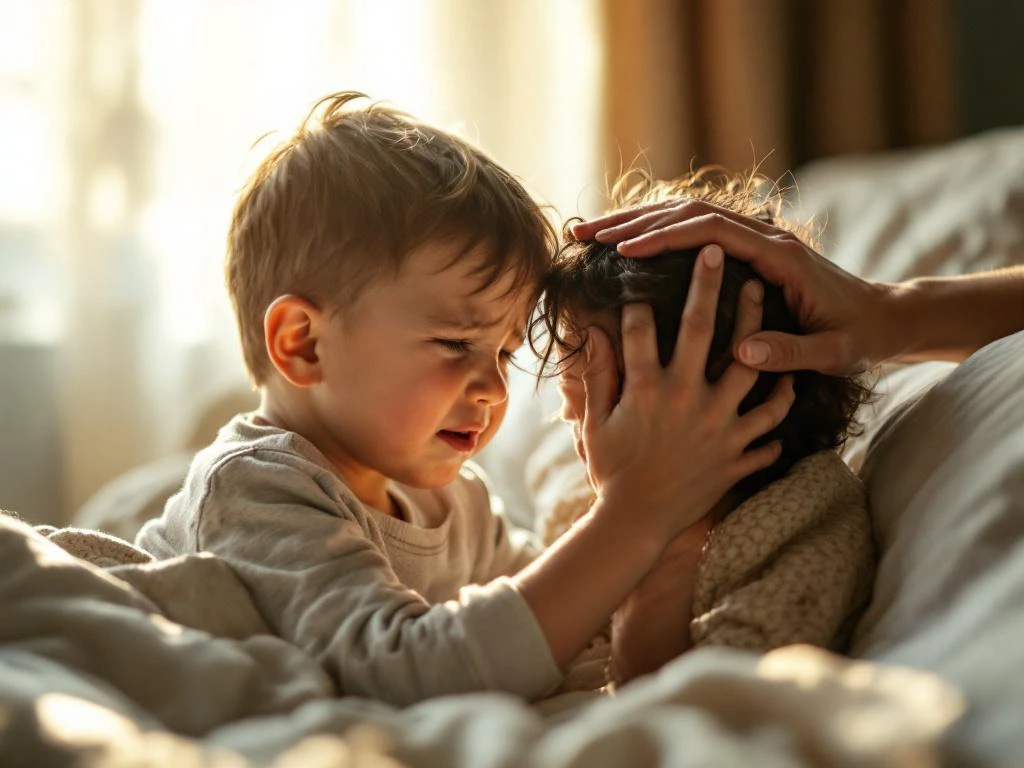
The first signs of headaches in children are often behavioural changes such as irritability, reduced appetite and frequent touching of the head. Young children may complain of “pain” without specifically pointing to the head, whilst older children can more directly indicate where the pain is located.
Parents should be alert to various warning signs that may indicate headaches:
- Sudden behavioural changes or unusual irritability
- Reduced interest in playing or favourite activities
- Frequent rubbing of the head, forehead or neck
- Complaints of “pain” without clear cause
- Reduced appetite or refusal to eat
- Seeking quiet or dark spaces
- Difficulty concentrating or listening
Very young children may express their discomfort by crying excessively, sleeping restlessly or constantly seeking comfort from parents. These signs can easily be mistaken for ordinary childhood tantrums, but when they occur alongside other symptoms, they may indicate headaches.
How do headaches in children differ from headaches in adults?
Headaches in children usually last shorter than in adults and often occur on both sides of the head rather than on one side. Children also have more difficulty describing their pain and often show other accompanying symptoms such as stomach pain or nausea.
The main differences between headaches in children and adults are:
- Duration: Children often have shorter headache episodes, sometimes only 30 minutes to 2 hours.
- Location: Headaches in children are usually bilateral (both sides) rather than unilateral.
- Associated symptoms: Stomach pain, nausea and vomiting occur more frequently in children.
- Communication: Young children may find it difficult to localise or describe pain.
- Behavioural expressions: Children show pain more often through behaviour than through verbal complaints.
- Recovery: Children often recover more quickly after rest or sleep.
Children may also experience other phenomena with headaches, such as light sensitivity, sound sensitivity or extreme fatigue. These symptoms can sometimes be more prominent than the headache itself, causing parents to overlook the actual cause.
What causes underlie headaches in children?
Common causes of headaches in children are stress, fatigue, dehydration, hunger and too much screen time. Poor posture, growth spurts and emotional tension can also cause headaches. More serious medical causes occur less frequently, but must be ruled out.
The most common causes of headaches in children are:
- Lifestyle factors: Insufficient sleep, irregular meals or dehydration
- Screen time: Prolonged looking at tablets, phones or television
- Posture: Poor sitting posture during homework or gaming
- Stress: School pressure, social problems or changes at home
- Physical factors: Growth spurts, hormonal changes in adolescents
- Environmental factors: Bright lights, loud sounds or strong odours
Less common but more serious causes may include: infections, head injury, problems with the eyes or teeth, or neurological conditions. It is important to recognise patterns in when headaches occur to identify possible triggers.
When should you see a doctor about your child’s headaches?
Seek immediate medical help for sudden, severe headaches, headaches with fever and vomiting, confusion or headaches after a head injury. Also headaches that are getting progressively worse, accompanied by neurological symptoms or interfering with daily functioning, require medical attention.
Alarming symptoms that require immediate medical care:
- Acute symptoms: Sudden, severe headache that is different from usual
- Fever and vomiting: Headache with high fever, neck stiffness or persistent vomiting
- Neurological signs: Confusion, speech problems or changes in behaviour
- Head injury: Any headache after a fall, collision or blow to the head
- Visual problems: Double vision, blurred vision or flashes of light
- Progressive deterioration: Headache that gets worse daily
Also make an appointment with the GP when headaches affect school performance, occur more than twice a week or when painkillers do not help. A headache diary can help identify patterns and triggers.
How chiropractic care helps with headaches in children
Chiropractic care can help reduce headaches in children by correcting spinal alignment and improving nerve function. This holistic approach focuses on addressing underlying causes such as postural problems and tension in the neck and shoulders, thereby supporting the body’s natural healing.
Chiropractic care offers several benefits for children with headaches:
- Postural correction: Improvement of neck posture in a modern lifestyle with extensive screen use
- Tension relief: Relaxation of tense muscles in neck, shoulders and jaw area
- Nerve function: Optimisation of communication between brain and body
- Natural approach: Drug-free treatment without side effects
- Preventive care: Prevention of future headache complaints
We offer specialised care for children and babies with headaches and related complaints. Our chiropractors have specific training in working with young patients and use gentle, safe techniques. For more information about our treatments and specialisations, visit our website or contact us directly for an appointment.
Sorry, the comment form is closed at this time.