


Feb
What is migraine with aura?
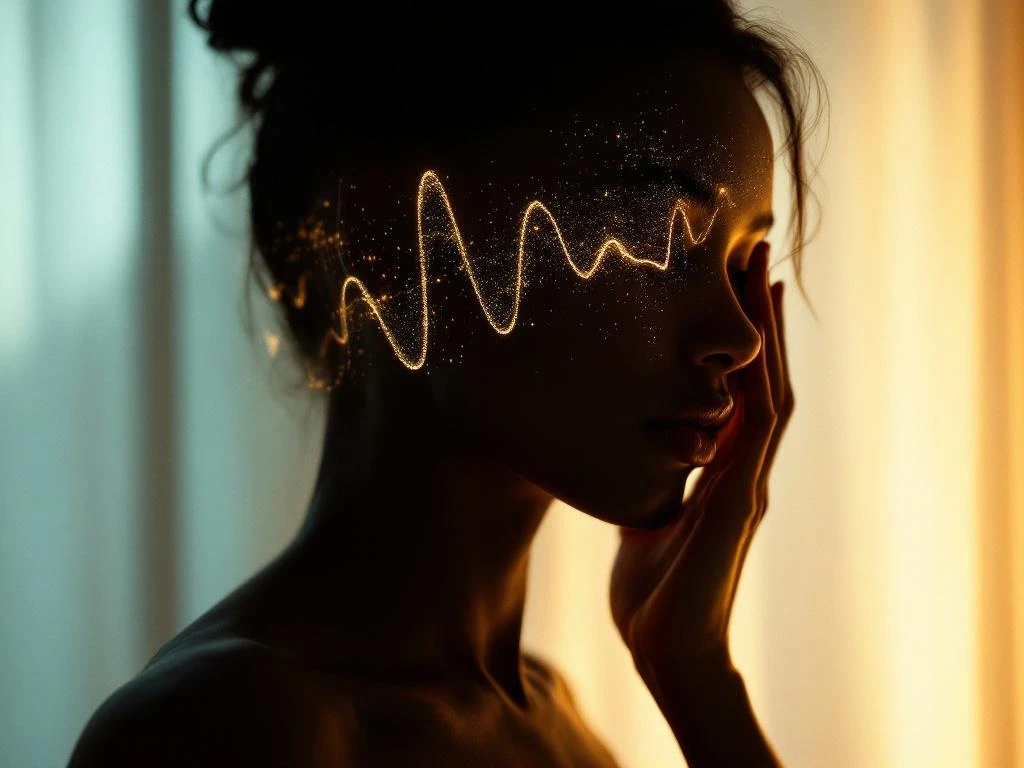
Migraine with aura is a neurological form of headache where specific warning signals occur before the headache begins. These aura phenomena manifest as visual disturbances, sensory problems or speech difficulties and usually last 10 to 60 minutes. This type of migraine affects approximately 25% of all migraine patients and is distinguished by this characteristic forewarning of the approaching headache.
What exactly is migraine with aura?
Migraine with aura is a specific form of migraine where neurological symptoms occur as a warning signal before the headache begins. This aura phase typically lasts 10 to 60 minutes and is followed by the characteristic migraine headache.
The difference from ordinary migraine lies in this forewarning phase. While classic migraine begins directly with headache, people with migraine with aura first experience clear neurological phenomena. This aura occurs due to temporary changes in brain activity, where certain brain areas become less active.
Neurologically speaking, during the aura phase a wave of decreased brain activity takes place, followed by increased activity. This process affects various brain functions, such as seeing, feeling and speaking. The aura functions as a natural warning system that indicates a migraine attack is approaching.
Which symptoms belong to an aura?
Visual disturbances are the most common aura symptoms and occur in approximately 90% of people with migraine with aura. These manifest as light flashes, zigzag lines, blind spots or aura patches in the visual field.
Common aura symptoms are:
- Shimmering zigzag lines or light flashes at the edge of the visual field
- Blind spots that gradually become larger
- Sensory disturbances such as tingling in hands, arms or face
- Speech problems or difficulties with word finding
- One-sided weakness or numbness
- Confusion or concentration problems
These neurological phenomena usually develop gradually over 5 to 20 minutes and can follow each other. Some people experience multiple aura symptoms simultaneously, while others have only one type of symptom. The intensity can vary from mild to very disruptive for daily activities.
How long does an aura last and when does the headache come?
An aura typically lasts 10 to 60 minutes, with most people experiencing symptoms for 20 to 30 minutes. The headache usually begins within an hour after the aura phenomena disappear, although this can vary from directly after the aura to several hours later.
The complete migraine process develops in different phases:
- Prodromal phase: Early warning signals such as fatigue or mood changes (hours to days before the aura)
- Aura phase: Neurological symptoms that persist for 10 to 60 minutes
- Headache phase: Intense migraine headache that can last 4 to 72 hours
- Recovery phase: Exhaustion and sensitivity after the headache
Some people experience a “silent migraine”, where the aura does occur but the headache fails to appear. In others, the aura and headache partially overlap. Recognising this pattern helps in preparing for and treating migraine attacks.
What causes migraine with aura?
Migraine with aura occurs due to a combination of genetic predisposition and specific triggers that disrupt neurological processes in the brain. Approximately 70% of people with migraine have family members who also experience migraine, which indicates a strong hereditary component.
The main migraine triggers are:
- Hormonal changes, especially in women during menstruation or menopause
- Stress and emotional tension
- Certain foods such as aged cheeses, chocolate or red wine
- Sleep deprivation or changes in sleep pattern
- Bright light, strong odours or loud sounds
- Weather changes or air pressure fluctuations
Neurologically speaking, the aura occurs due to a wave of brain activity that begins in the cerebral cortex and spreads. This process, called cortical spreading depression, temporarily disrupts normal brain functions. The subsequent headache in migraine is caused by inflammation and dilation of blood vessels around the brain.
External factors such as neck tension, posture problems and stress can increase sensitivity to these triggers. The nervous system plays a crucial role in regulating pain stimuli and preventing migraine attacks.
How does Ruggensteun help with migraine with aura?
We approach migraine with aura holistically by focusing on the nervous system and the spine as the foundation for your body’s self-healing capacity. Our specialised chiropractic treatments focus on improving nerve communication between brain and body.
Our treatment methods for migraine include:
- Y-strap treatment: Creates decompression in the intervertebral discs and reduces pressure on the nervous system
- CFR (Cranial Facial Release): Specialised technique that reduces tension in head and neck
- Dry needling: Treats muscle tension that can cause migraine triggers
- Spinal corrections: Restores alignment and improves nerve function
By addressing the causative factors instead of only treating symptoms, we help you reduce the frequency and intensity of migraine attacks. Our holistic approach focuses on optimising your nervous system, so that your body is better resistant to migraine triggers.
Contact us directly for a comprehensive evaluation of your migraine complaints. You can make an appointment without referral from the GP, and for urgent cases we offer quick availability. Discover more about our migraine treatments or visit our practice for personal guidance. Contact us today for your first step towards migraine-free days.
Sorry, the comment form is closed at this time.