


Feb
What is the difference between headache and migraine?
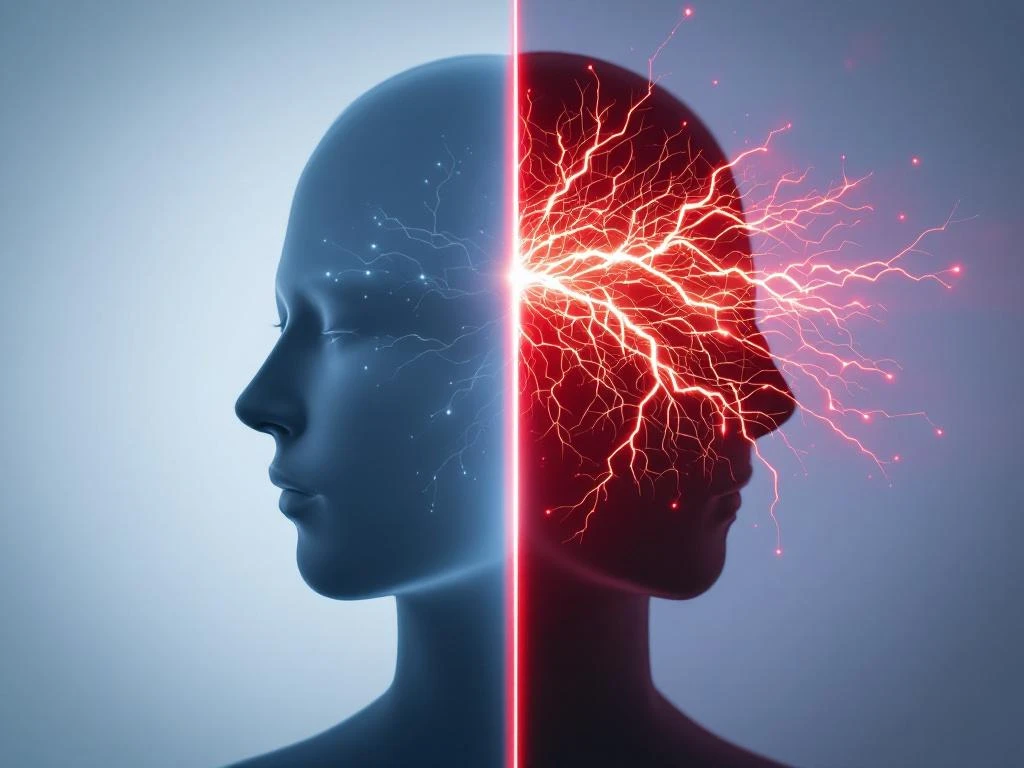
The main difference between headache and migraine lies in the intensity and accompanying symptoms. Regular headache is usually mild to moderate pain on both sides of your head, while migraine is characterised by intense, throbbing pain on one side, often accompanied by nausea, light sensitivity and sometimes visual disturbances. Migraine also lasts longer and affects your daily functioning much more severely than regular headache.
What are the main differences between headache and migraine symptoms?
Regular headache usually feels like a pressing or tight band around your head, on both sides simultaneously. The pain is moderate and you can usually still function normally with it. Migraine, on the other hand, is much more intense: a throbbing, pounding pain that usually sits on one side of your head.
With migraine you often get additional symptoms that don’t occur with regular headache:
- Nausea and sometimes vomiting
- Extreme sensitivity to light and sound
- Visual disturbances, such as flickering lights (aura)
- Sensitivity to smells
A regular headache usually lasts a few hours, while migraine can persist for 4 to 72 hours. With headache you can often still work or do daily activities. With migraine you usually just want to lie in a dark, quiet room.
What causes underlie headache and migraine?
Headache often arises from tension in your neck and shoulders, stress, dehydration or too little sleep. Prolonged screen work can also cause tension headache. These causes are usually temporary and disappear when you remove the trigger.
Migraine has more complex causes. It is often hereditary and is triggered by:
- Hormonal fluctuations (especially in women)
- Certain foods, such as cheese, chocolate or red wine
- Stress and emotional tension
- Changes in your sleep pattern
- Weather changes
- Bright light or strong smells
Neck pain can also trigger migraine. If you have spinal problems or your neck is often tense, this can worsen migraine complaints. This is because nerves in your neck are connected to the nervous system involved in migraine.
How can you best treat headache and migraine?
For regular headache, simple measures often help, such as taking rest, drinking plenty of water, taking a warm shower or massaging your neck and shoulders. Paracetamol or ibuprofen can also provide relief.
With migraine you usually need a stronger approach:
- Go to a dark, quiet room
- Put a cold compress on your forehead
- Take specific migraine medication as early as possible
- Try to sleep if you can manage it
Prevention often works better than treatment afterwards. Keep a headache diary to recognise your triggers. Ensure regular sleep times, drink enough water and eat at fixed times. Regular exercise and stress management also help prevent both types of headache.
For neck-related headache, natural treatments, such as chiropractic care, can help by reducing tension in your spine and nervous system.
When should you seek professional help for headache or migraine?
Seek help if you have headache more than twice a week or if headache affects your daily life. Also when regular painkillers no longer help or you need increasingly stronger medication, professional guidance is important.
Go directly to a doctor with these warning signs:
- Sudden, very severe headache that feels different from normal
- Headache with fever, neck stiffness or rash
- Headache after a head injury
- Headache with confusion, double vision or speech problems
- Headache that gets worse, despite treatment
A professional can help you distinguish between different types of headache and draw up a treatment plan. This can vary from medication to natural treatments, depending on the cause of your complaints.
For neck-related headache, a specialist in spinal problems can often achieve good results by addressing the underlying tension and alignment problems.
How Ruggensteun helps with treating headache and neck-related complaints
We focus on the underlying causes of headache, especially when these are related to neck tension, spinal problems or disruptions in the nervous system. Our holistic approach looks at your whole body as an interconnected system.
Our specialist treatments for headache include:
- Precise analysis of neck tension and spinal alignment
- Targeted treatment of acute neck blockages and neck crick
- Treatment of jaw problems that can cause headache
- Specialist techniques for whiplash-related complaints
- Preventive care to prevent recurring complaints
By carefully aligning the spine and improving nerve communication between brain and body, we can often reduce the frequency and intensity of headache. We don’t just treat the symptoms, but also address the structural causes.
Do you regularly suffer from headache or suspect that neck pain is the cause? Contact us directly for a personal consultation. You don’t need a referral and we often have quick availability for urgent cases. View more information on our website or schedule an appointment directly in Eindhoven or Valkenswaard.
Frequently Asked Questions
How can I determine the difference between regular headache and migraine at home?
Pay attention to the location of the pain (one-sided with migraine versus two-sided with headache), the intensity (throbbing and severe with migraine), and accompanying symptoms such as nausea or light sensitivity. If you can continue to move normally, it's probably regular headache. With migraine you usually just want to lie still in a dark room.
Which natural methods help best with neck-related headache?
Gentle neck stretches, heat therapy and improving your workplace ergonomics are effective. Regular breaks from screen work and sleeping with a supportive pillow also help. Chiropractic care can address the underlying neck tension and spinal alignment for long-term relief.
How long does it take before chiropractic treatment has an effect on headache?
Many patients experience improvement after just 2-3 treatments, especially with acute neck blockages. For chronic headache due to neck tension, it can take 4-6 weeks before you notice significant improvement. The treatment frequency and duration depend on how long you've had complaints and the underlying cause.
Can stress and emotions really cause physical headache?
Yes, stress causes muscle tension in neck and shoulders, which can trigger tension headache. Stress can also cause hormonal fluctuations that trigger migraine. Chronic stress also disrupts your sleep pattern and can lead to dehydration - both known headache triggers.
What should I do if painkillers no longer help against my headache?
Don't stop medication suddenly, but seek professional help. Excessive use of painkillers can actually lead to more headache (medication-overuse headache). A specialist can suggest alternative treatments such as chiropractic care, physiotherapy, or preventive medication, depending on the cause.
How do I prevent work-related neck tension from leading to headache?
Ensure an ergonomic workplace with your screen at eye level and your feet flat on the floor. Take a break every 30-60 minutes to stretch your neck and walk around. Use a telephone headset for long conversations and avoid clamping your phone between ear and shoulder.
When is headache a sign of a more serious problem?
Seek immediate medical help for sudden, very severe headache that feels different from normal, headache with fever and neck stiffness, headache after head injury, or headache with neurological symptoms such as double vision or speech problems. Headache that progressively worsens despite treatment also requires investigation.
Sorry, the comment form is closed at this time.