


Feb
What signals does your body give when experiencing neck pain?
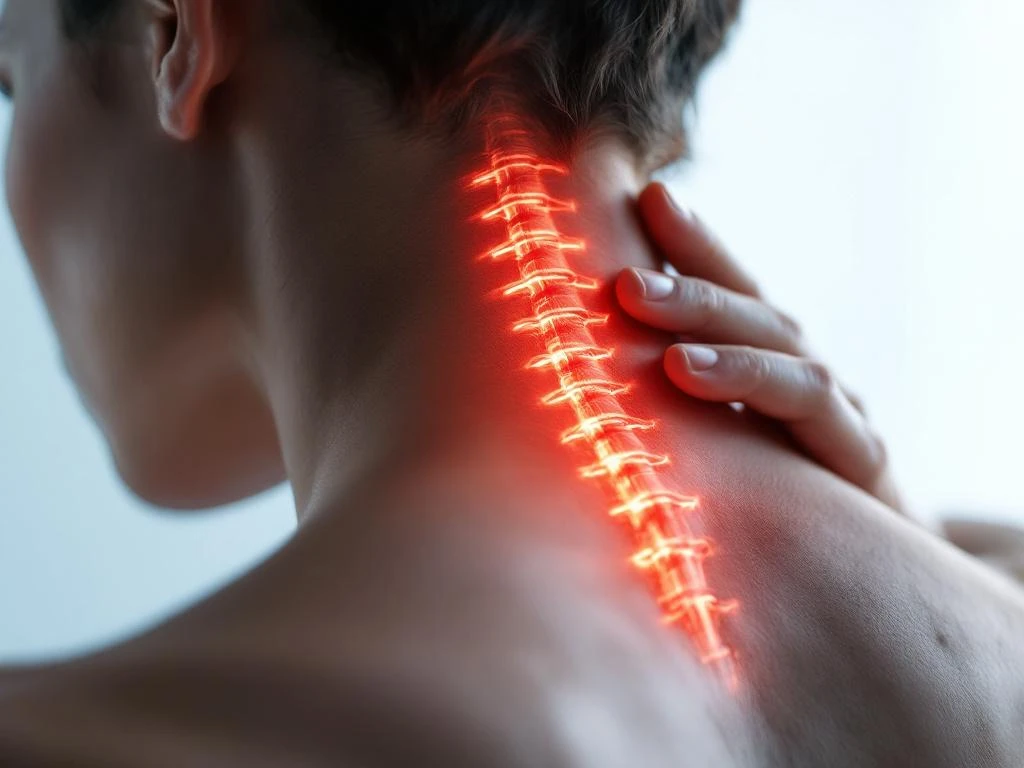
Your body gives various clear signals when you have neck pain. The most common signs are stiffness in your neck, limited range of motion, muscle tension and pain that radiates to your shoulders, arms or head. These signals can manifest in different ways and help you recognise when you have neck complaints and what you can do about them.
What physical signals indicate neck pain?
The most recognisable physical signals of neck pain are stiffness in your neck muscles, reduced freedom of movement and a tense feeling in your neck and shoulder area. You often notice that you can no longer turn or bend your head fully without pain or discomfort.
Neck pain often manifests as a deep, aching pain that can vary from mild discomfort to intense pain. You may suffer from muscle cramps or spasms in your neck area, making certain movements suddenly very painful. Many people also experience a burning or stabbing sensation in the neck muscles.
The pain rarely remains limited to just your neck. Often the pain radiates to your shoulders, with your shoulder blades feeling heavy and tense. Some people experience pain that extends to their upper back or even to their arms. This happens because the muscles and nerves in these areas are closely connected.
You may also notice that you unconsciously adopt poor posture to avoid the pain. You might hold your head at an angle or pull your shoulders up, which can eventually lead to more tension and pain.
Why do you get headaches with neck complaints?
Headaches with neck complaints arise from tension in the neck muscles that extends to your head and jaw area. The muscles in your neck are directly connected to muscles around your skull, which means neck problems often cause headaches that are underestimated as neck-related problems.
There are two main types of headache related to neck problems. Tension headaches arise from chronic muscle tension in your neck and shoulders. This tension causes reduced blood supply and can lead to a pressing feeling around your head, as if there’s a tight band around your head.
Cervicogenic headache is headache that arises directly from problems in your cervical vertebrae. This headache usually starts on one side of your head and can spread. You often notice that the headache gets worse with certain neck movements or postures.
Many people don’t recognise that their headache actually stems from neck problems. They only treat the headache with painkillers, but don’t address the underlying cause in the neck. This means the headache keeps returning.
How do you recognise the cause of your neck pain?
You can often identify the cause of your neck pain by analysing your symptoms and circumstances. Pay attention to when the pain started, what you were doing before the complaints arose and which movements or postures worsen or improve the pain.
Poor posture is a common cause, especially in people who work a lot behind a computer. If your neck pain has developed gradually and gets worse after long periods in the same position, this often indicates posture-related problems. You then notice that the pain increases especially at the end of the day or after long periods of sitting.
Stress can also cause neck pain because you unconsciously pull up your shoulders and tense your neck muscles. If your neck pain coincides with busy periods or emotional tension, stress is probably an important factor.
Sleep-related neck pain can be recognised by waking up in the morning with a stiff neck. This can be caused by the wrong pillow, poor sleeping posture or a mattress that’s too soft or too hard. Sudden neck pain after an accident or fall may indicate whiplash or other trauma-related complaints.
Wear-related neck pain usually develops slowly and gets worse with certain movements. You notice that your neck is stiff in the morning and becomes looser during the day, but becomes stiffer again after activity.
When should you take action for neck pain?
You should seek professional help when neck pain persists for longer than a week, is very intense or is accompanied by radiating pain to your arms, tingling, loss of strength or neurological symptoms such as dizziness or headaches.
Warning signs that require immediate attention are pain that radiates to your arms with tingling or numbness in your fingers. This may indicate nerve compression. Loss of strength in your arms or hands is also a sign you shouldn’t ignore.
Persistent headaches combined with neck pain, especially if accompanied by dizziness, nausea or vision problems, require professional assessment. Neck pain after an accident or fall should always be investigated, even if the complaints seem mild.
For mild neck pain you can start with self-care: rest, gentle movement exercises, heat or cold compresses and improving your posture. If these measures don’t provide relief after a few days, it’s time for professional help.
Don’t wait too long for treatment. Early intervention prevents acute neck pain from becoming chronic and reduces the chance of further complications.
How Ruggensteun helps with treating neck pain
We approach neck pain holistically by not only treating the symptoms, but also addressing the underlying causes. Our specialised chiropractors use advanced techniques to effectively treat your neck complaints and prevent recurrence.
Our treatment options for neck pain include:
- chiropractic adjustments to restore spinal alignment
- Y-strap technique for decompression of intervertebral discs
- CFR (Cranial Facial Release) for optimal nerve function
- dry needling for deep muscle tension
- personal treatment plans, adapted to your situation
We focus on improving communication between your brain and body by correctly aligning your spine. This activates your body’s natural healing process and provides long-lasting relief instead of temporary symptom control.
You can contact us directly, without referral from your GP. We offer quick appointments for urgent cases and have free parking spaces at our locations in Eindhoven and Valkenswaard. Would you like to know more about our neck pain treatments or make an appointment? Check our homepage for more information or contact us directly here.
Sorry, the comment form is closed at this time.