


Feb
What is the relationship between anxiety and neck pain?
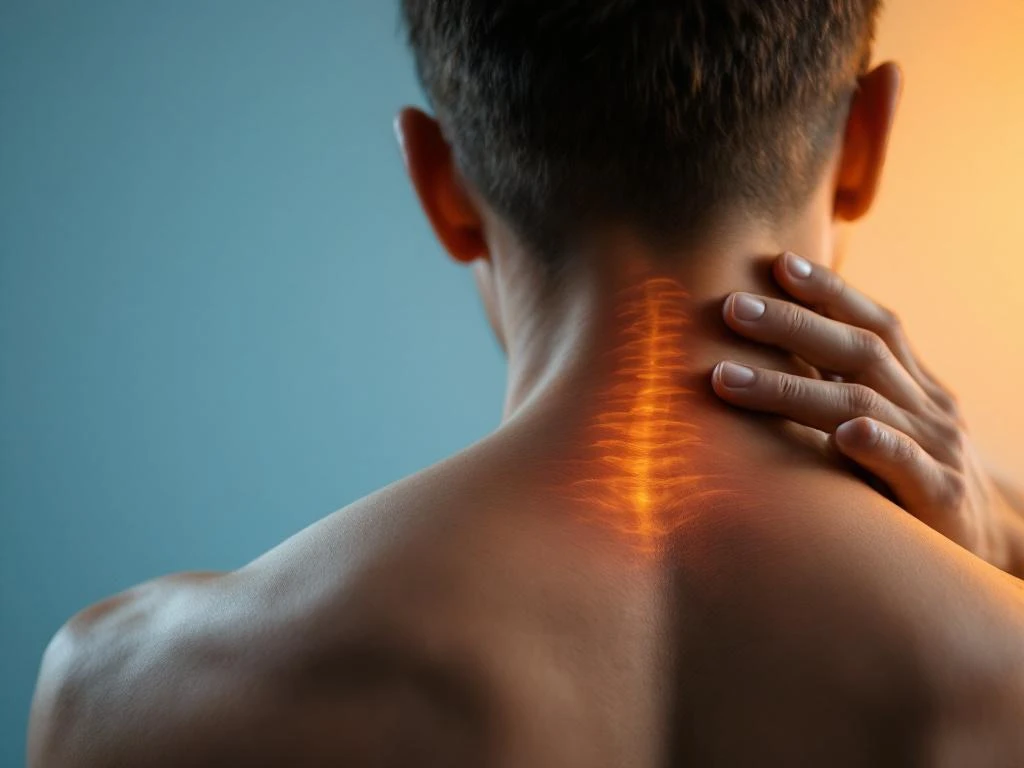
Anxiety and neck pain are closely connected through physiological processes in your body. When you feel anxious or stressed, your neck muscles automatically tense up as part of your natural fight-or-flight response. This chronic muscle cramping in the neck and shoulder region causes pain that can radiate to your head and shoulders. The relationship also works in reverse: neck pain can amplify feelings of anxiety, creating a vicious cycle.
How does anxiety actually cause neck pain?
Anxiety activates your sympathetic nervous system, putting your body into a state of heightened alertness. Your muscles tense up to prepare you for danger, with the neck and shoulder region being most sensitive to this tension.
During stressful moments, your body produces cortisol and adrenaline. These hormones cause your muscles to contract and remain in a tense state. The neck muscles, which support your head, react particularly strongly to emotional stress because they are connected to your autonomic nervous system.
With chronic anxiety, these muscles remain cramped for extended periods. The constant tension restricts blood flow to the muscle tissue, leading to pain, stiffness and sometimes headaches. Your posture also often changes during stressful periods: you pull your shoulders up and your neck forward, which increases the load on your cervical vertebrae.
This mechanism has been evolutionarily useful, but in our modern society, where stress is often mental, your body continues to react physically as if there were actual danger threatening. The result is chronic neck pain without a clear physical cause.
What signs indicate neck pain caused by anxiety and stress?
Stress-related neck pain has specific characteristics that you can distinguish from other causes. The pain often worsens during emotionally demanding periods and decreases when you relax or go on holiday.
Typical signals are:
- Pain that starts in your neck and radiates to your shoulders, head or between your shoulder blades
- Stiffness that is worst in the morning and increases throughout the day
- Headaches that begin at the back of your head
- Tension that increases during stressful situations at work or home
- Muscle knots or tender spots in your neck and shoulders
The timing is often telling. You may notice that the neck pain comes on before important presentations, during busy work periods or when you’re worrying about personal situations. Sleep problems and fatigue also often accompany stress-related neck pain.
Unlike neck pain from an injury or wrong sleeping position, stress-related neck pain fluctuates with your emotional state. You may also experience other stress symptoms, such as tension in your jaw, breathing problems or stomach complaints.
What can you do yourself against anxiety-related neck pain?
Self-help techniques that address both your mental and physical tension are most effective. Start with conscious breathing exercises: breathe slowly in through your nose, hold for three seconds and breathe slowly out through your mouth.
Practical exercises that help:
- Progressive muscle relaxation: consciously tense all muscles in your neck and shoulders for 5 seconds and then completely release
- Neck stretches: slowly turn your head from left to right and bring your ear to your shoulder
- Heat therapy: use a warm shower or heating pad to relax cramped muscles
- Mindfulness: spend 10 minutes daily on conscious relaxation or meditation
Lifestyle adjustments make a big difference. Ensure an ergonomic workplace where your computer screen is at eye level. Take regular breaks to move and stretch your neck. Limit caffeine, as this can worsen anxiety and muscle tension.
Regular physical exercise, such as walking, swimming or yoga, helps reduce stress and keep your muscles supple. Also ensure adequate sleep, as fatigue worsens stress and pain.
When should you seek professional help for neck pain caused by anxiety?
Seek professional help when self-help techniques provide no relief after 2–3 weeks or when the pain limits your daily activities. Also, if you regularly need painkillers, it’s time for professional guidance.
Clear signals for professional help:
- Neck pain that radiates to your arms, with tingling or weakness
- Headaches that get worse or occur daily
- Sleep problems due to neck pain
- Anxiety or stress that affects your life
- Pain that persists for longer than a month
Different treatment options can complement each other. Psychological support helps you better cope with stress and anxiety, while chiropractic care addresses the physical aspects of neck pain. Physiotherapy can teach you how to improve your posture and strengthen your muscles.
An integrated approach often works best. You can, for example, work on stress management techniques simultaneously while receiving professional treatment for your physical complaints. This addresses both the cause and the symptoms.
How Ruggensteun helps with treating neck pain
We understand that neck pain caused by anxiety is a complex interaction between your mental and physical wellbeing. Our holistic approach therefore focuses on both aspects to truly help you.
Our approach includes:
- Thorough analysis of both physical and emotional factors contributing to your neck pain
- Specialised treatment techniques, such as chiropractic adjustments and dry needling
- Guidance with stress management and relaxation techniques
- Personal advice on posture, ergonomics and lifestyle adjustments
- Follow-up to monitor your progress and adjust treatments
Our chiropractors have specific expertise in stress-related complaints and understand how your nervous system reacts to emotional pressure. We combine hands-on treatments with practical tools that you can use at home to reduce tension.
You can contact us directly, without a referral from your GP. We offer quick appointments for urgent cases and free parking at both locations. View our expertise on neck pain treatment or contact us to discuss how we can help you. More information about our approach can be found on our homepage.
Frequently Asked Questions
How long does it take before the self-help techniques have an effect on my neck pain?
Most people notice improvement within 1-2 weeks with regular application of relaxation techniques and neck stretches. For lasting results, it's important to do these exercises daily, even when the pain decreases. With chronic tension, it can take 4-6 weeks before you experience significant improvement.
Can I continue using painkillers while working on stress management?
Painkillers can help temporarily, but don't use them for longer than a week without professional advice. They only treat the symptoms and not the underlying cause. Always combine painkillers with relaxation techniques and stretches for better results, and gradually reduce usage as you apply other methods.
Which workplace changes make the biggest difference for stress-related neck pain?
The most important adjustments are: placing your screen at eye level, using a supportive office chair, and taking a short break every 30 minutes for neck stretches. Also ensure adequate lighting to prevent leaning forward, and hold your phone at eye level during calls to avoid 'text neck'.
Why does my neck pain always get worse in the evening, even when I feel relaxed?
This happens because tension builds up in your muscles throughout the day, even if you feel mentally relaxed. Your muscles 'remember' the stress of the day. Therefore, create an evening routine with a warm shower, light stretches and breathing exercises to consciously release this built-up tension.
Is it normal for my neck pain to return during stressful periods, even after treatment?
Yes, this is completely normal because your body still reacts to stress. The difference is that you now have tools to deal with it better. Apply your relaxation techniques immediately at the first signs of tension and take a refresher session with your practitioner if necessary to prevent worsening complaints.
Which foods can help reduce stress and muscle tension?
Magnesium-rich foods like nuts, dark chocolate and green leafy vegetables help muscles relax. Omega-3 fatty acids from fish support your nervous system, and chamomile tea has a naturally calming effect. Avoid excessive caffeine and sugar, as these can worsen stress and muscle tension.
How can I distinguish between 'normal' neck pain and neck pain that needs medical attention?
Seek immediate medical help for sudden, severe pain after a fall or accident, tingling or weakness in your arms, or fever with neck stiffness. Also pain that doesn't respond to rest and painkillers after several days, or pain accompanied by dizziness or vision problems, requires professional assessment.
Sorry, the comment form is closed at this time.