


Feb
What is the difference between heat and cold for neck pain?
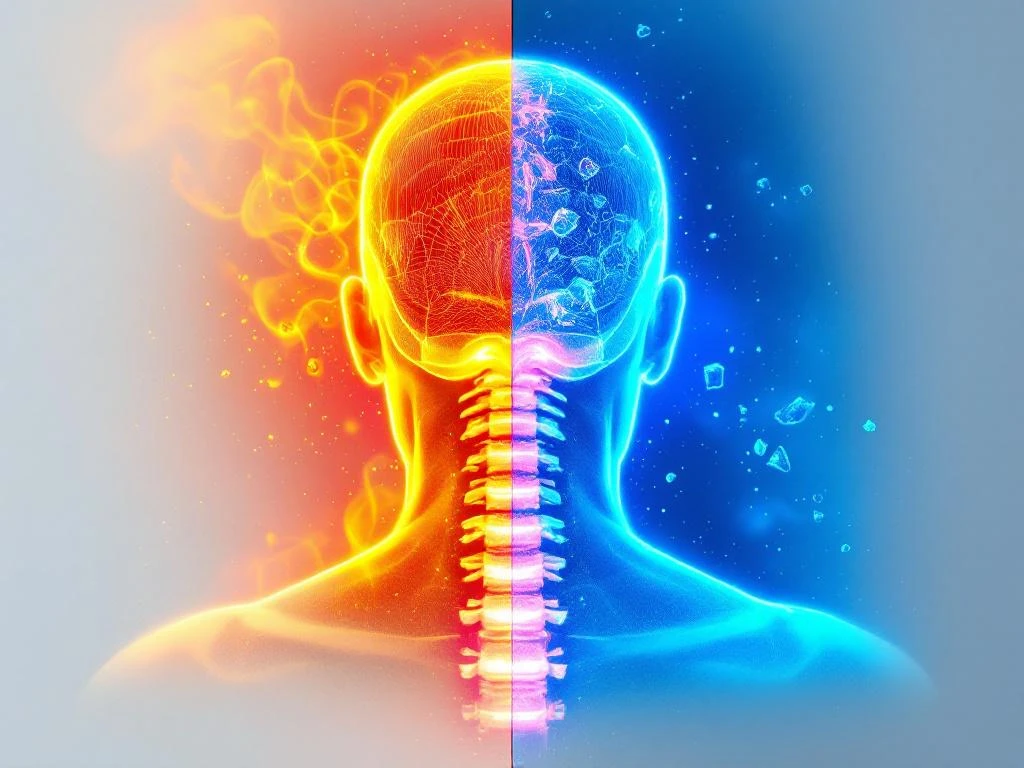
For neck pain, you have the choice between heat and cold, and both work differently. Heat works best for chronic neck pain and muscle tension, as it improves blood circulation and relaxes muscles. Cold works better for acute neck complaints, inflammation and swelling, as it reduces pain and limits inflammatory reactions. The timing and proper application make the difference between relief and possibly more complaints.
When do you use heat for neck pain?
Heat works best for chronic neck pain, muscle tension and stiffness that has persisted for more than 48 hours. The heat ensures better blood circulation, relaxes cramped muscles and reduces pain signals to your brain.
You choose heat when your neck feels stiff, especially in the morning after sleeping. Heat also helps well with neck complaints caused by stress, poor posture or prolonged computer work. The increased blood supply brings more oxygen and nutrients to the tense muscles, which speeds up the recovery process.
Heat is also useful before you start moving or stretching. It makes your neck muscles more supple and reduces the risk of injuries during exercises. Think of a warm shower before doing neck stretches, or a heating pad while working.
Note that heat is not suitable for fresh injuries, swelling or inflammation. In those cases, heat can actually worsen the problems by causing more swelling.
When is cold better for your neck complaints?
You use cold for acute neck pain that started less than 48 hours ago, especially for injuries with swelling or inflammation. Cold numbs pain, reduces swelling and inhibits inflammatory reactions in the tissue.
Choose cold after a sudden movement where your neck “shoots”, after a fall or collision, or when your neck feels warm and swollen. Cold can also provide relief for neck pain with headache or migraine by constricting blood vessels.
Cold works as a natural painkiller by temporarily slowing nerve conduction. This gives your body rest to start the recovery process, without pain signals constantly disturbing you. For acute inflammation, cold also helps prevent further tissue damage.
Don’t use cold for chronic neck pain or stiffness, as this can actually make muscles cramp more. Also don’t use it for circulation disorders or numbness in your neck.
How do you safely apply heat and cold for neck pain?
For heat, use a heating pad, warm towel or warm shower for 15–20 minutes at a time. Make sure the temperature feels pleasantly warm, not hot. Repeat this 2–3 times per day with breaks of at least one hour between applications.
For cold, take an ice pack, bag of frozen peas or cold pack, wrapped in a thin towel. Never put ice directly on your skin. Apply cold for 10–15 minutes at a time, maximum 3–4 times per day, with breaks of at least 45 minutes between them.
Important safety rules:
- Always test the temperature on your wrist first
- Never use heat or cold while sleeping
- Stop immediately if pain increases, skin irritation or numbness occurs
- Don’t apply heat or cold to open wounds, skin conditions or sensory disorders
- Move carefully during treatment
Always combine heat or cold therapy with rest and careful movement. Sitting still for too long can worsen your neck complaints, even if you feel temporary relief.
What mistakes should you avoid with heat and cold therapy?
The biggest mistake is choosing the wrong time: heat for acute injuries or cold for chronic tension. This can worsen your complaints instead of improving them. Too long application is also harmful: more than 20 minutes of heat or 15 minutes of cold can cause tissue damage.
Many people make these mistakes:
- Too hot or too cold temperatures – this can cause burns or frostbite symptoms
- Direct contact with skin – always use a towel or cloth between your skin and the heat or cold source
- Repeating too often – your skin and tissues need time to recover
- Applying when numb – you won’t notice if it becomes too hot or too cold
- Expecting immediate cure – heat and cold relieve symptoms, but don’t treat the cause
Always stop immediately if your skin turns red, pain increases or you feel tingling. With diabetes, circulation problems or nerve damage, ask a healthcare provider for advice first before using heat or cold therapy.
Don’t forget that heat and cold are tools, not solutions. They help with symptom relief, but don’t address the underlying cause of your neck pain.
How Ruggensteun helps with treating neck pain
We understand that neck pain can significantly affect your daily life. At Ruggensteun we don’t just treat neck pain symptomatically, but we look for the real cause of your complaints.
Our approach to neck pain includes:
- Thorough analysis – we examine your posture, movement patterns and lifestyle
- Specialized techniques – including Y-strap treatments for deep decompression
- CFR (Cranial Facial Release) – for neck-headache combinations
- Dry needling – for persistent muscle tension in neck and shoulders
- Holistic approach – we look at your whole body, not just your neck
We also guide you in the proper use of heat and cold at home, so you know when which therapy works best for your specific situation. With locations in Eindhoven and Valkenswaard you can be helped quickly, often in the same week for acute complaints.
Want to get rid of your neck pain and know what the cause is? Contact us for an appointment or see more information on our website. You don’t need a referral from your GP and parking is free at both locations.
Frequently Asked Questions
Can I use heat and cold on the same day for my neck pain?
Yes, but only if you have different complaints. For example, start with cold for acute swelling and use heat later in the day for muscle tension. Always keep at least 2-3 hours between different treatments and listen carefully to your body.
How do I know if my neck pain is acute or chronic?
Acute neck pain has occurred within the last 48 hours and is often accompanied by swelling, warmth or a sudden 'shooting' feeling. Chronic neck pain persists longer, feels stiff and is often caused by posture, stress or prolonged strain.
What do I do if heat or cold makes my neck pain worse?
Stop the treatment immediately. This may mean you're choosing the wrong therapy or there's an underlying condition that needs professional attention. Don't try the other option immediately, but consult a healthcare provider first.
Can I use heat or cold therapy while exercising?
Use heat only before exercising to warm up muscles, never during the activity. You use cold after exercising for acute pain or swelling. During exercise itself you use neither, as this can affect your sense of temperature and pain.
What home remedies can I use if I don't have a heating pad or ice pack?
For heat you can soak a towel in warm water, take a warm shower or fill a sock with rice and heat it in the microwave (30-60 seconds). For cold use a bag of frozen peas, wet towel from the freezer or even a cold can of soda wrapped in a cloth.
How long does it take before I notice improvement from heat or cold therapy?
You often feel immediate relief within 10-15 minutes during treatment. For lasting improvement you usually need 2-3 days of consistent application. If you don't notice improvement after a week, it's wise to seek professional help.
May I combine heat or cold therapy with painkillers?
Yes, this is usually safe and can even be more effective. Heat and cold work locally on the tissue, while painkillers work systemically. Do note that painkillers can reduce your sensation, making you less aware if the temperature becomes too extreme.
Sorry, the comment form is closed at this time.