


Feb
How does a Y-strap treatment work for neck pain?
A Y-strap treatment works for neck pain by applying controlled traction that stretches the spine and relieves tension. This technique creates space between the vertebrae, improves blood circulation and relaxes cramped muscles around your neck. It particularly helps with chronic neck pain, stiffness and headaches caused by neck tension.
What exactly is a Y-strap treatment?
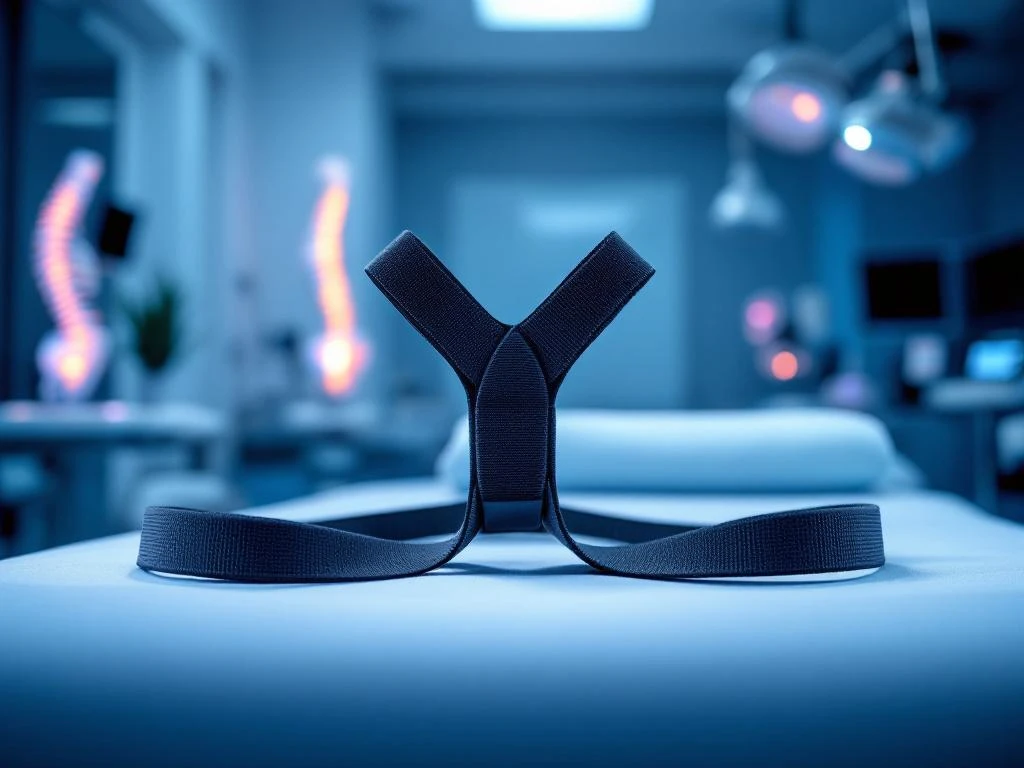
A Y-strap is a specialised chiropractic instrument that looks like a Y-shaped band with a head support. The device is placed around your head and uses gentle traction to stretch your spine. The name comes from the Y-shape formed by the headband and the traction cable.
The Y-strap works by creating decompression in your spine. When the chiropractor uses the device, they gently pull on your head, creating space between the vertebrae. This is different from traditional manipulations, which apply pressure to specific points.
The device consists of a comfortable headband that fits well around your head and a strong cable that transmits the traction force. The chiropractor has complete control over the force and direction of the pull, making the treatment safe and effective.
How does a Y-strap treatment work for neck pain?
A Y-strap treatment helps with neck pain by reducing pressure on nerves and blood vessels and relaxing cramped muscles. The traction creates space between the neck vertebrae, allowing trapped structures to be released and restoring the natural curvature of your neck.
When your neck vertebrae are compressed due to poor posture, stress or injuries, pressure builds up on nerves and blood vessels. This causes pain, stiffness and sometimes headaches. The Y-strap treatment decompresses these structures by applying gentle traction.
The treatment also improves blood circulation in the neck area. Better circulation means more oxygen and nutrients for your muscles and tissues, which speeds up the healing process. At the same time, waste products are better eliminated, which reduces inflammation.
Through the traction, cramped neck muscles relax naturally. This happens because the muscles no longer need to compensate for incorrect alignment of the vertebrae. The result is less pain and more freedom of movement in your neck.
What can you expect during a Y-strap treatment?
During a Y-strap treatment you lie on your back whilst the chiropractor places the headband around your head. You feel a gradual pull that usually lasts 10–15 seconds. Many people experience immediate relief and a feeling of space in their neck after the treatment.
The treatment begins with a thorough assessment of your neck complaints and posture. The chiropractor explains what will happen and ensures you are lying comfortably. The Y-strap device is carefully placed around your head, with comfort and safety being paramount.
When the traction is applied, you feel a stretching sensation through your entire spine. This is normal and should not be painful. Some people hear soft ‘cracking’ sounds, which are air bubbles being released from the joints.
After the treatment some people may feel slightly dizzy due to improved blood circulation. This usually passes within a few minutes. Your neck may feel looser and movements that were previously painful may become easier.
The entire treatment takes about 15–20 minutes, with the actual Y-strap application making up only a small part. The rest of the time is spent on preparation, assessment and aftercare.
For which neck complaints is a Y-strap treatment suitable?
A Y-strap treatment works well for chronic neck pain, stiffness due to poor posture, tension headaches and limited neck movement. It is particularly effective for complaints arising from compressed vertebrae or cramped muscles around the neck and shoulders.
Chronic neck pain that does not respond to regular treatments can often benefit from Y-strap therapy. The decompression helps particularly when the pain is caused by pressure on nerves or poor alignment of the neck vertebrae.
People with tension headaches often experience relief because many headache complaints begin in the neck. By removing neck tension, headaches also reduce. This particularly applies to headaches at the back of your head.
Stiffness from prolonged desk work or poor sleeping posture responds well to Y-strap treatment. The technique restores the natural freedom of movement of your neck and improves your posture.
A Y-strap treatment is less suitable for acute injuries, serious hernias or certain medical conditions. A qualified chiropractor always first assesses whether the treatment is safe for you.
How Ruggensteun helps with treating neck pain
We are one of the few chiropractic practices in the Netherlands that are authorised to perform Y-strap treatments. Our specialised chiropractors have undergone extensive training in this advanced technique and treat people daily with various forms of neck pain.
Our approach to neck complaints includes:
- Thorough analysis of your posture and neck problems
- Safe application of the Y-strap technique by certified specialists
- Combination with other treatment methods, such as CFR and dry needling, when necessary
- Personal guidance and explanation throughout the entire treatment process
- Aftercare advice to maintain results and prevent return of complaints
We understand that neck pain can significantly affect your daily life. That is why we offer quick appointments, even for urgent cases, so you do not have to wait long for relief. You can contact us directly, without referral from your GP.
Would you like to know if a Y-strap treatment is suitable for your neck complaints? Then contact us via our contact page or visit our main page for more information about our specialist treatments.
Sorry, the comment form is closed at this time.