


Jan
What home modifications help with neck pain?
Neck pain from your home environment often arises from poor postures and bad ergonomics during daily activities. A good workspace setup, the right pillow, conscious posture while watching TV, and regular movement help prevent neck complaints. Through simple adjustments at home, you address the causes of neck pain before they worsen.
Why do you get neck pain from your home environment?
Your home environment causes neck pain through incorrect postures that you maintain for hours on end without realising it. Working from home at the kitchen table, slouching while watching TV on the sofa, and sleeping with a pillow that’s too high constantly strain your neck muscles and vertebrae.
The problem often begins innocently. You work a day on your laptop on the sofa, watch a series in the evening with your head at an odd angle, or sleep in the wrong position. Your neck muscles become overloaded by these unnatural positions and begin to cramp. The pain often radiates to your shoulders and can cause headaches.
Many people underestimate how their daily habits at home contribute to neck complaints. Constantly looking down at your phone, working without proper back support, or staying in the same position for hours: these are all neck-straining activities that add up to chronic pain.
How do you set up your home workspace to prevent neck pain?
An ergonomic home workspace prevents neck pain by placing your screen at eye level and keeping your body in a neutral position. Your screen must be positioned so you can look straight ahead without bending or stretching your neck.
Start with your screen height: the top of your monitor should be at eye level. Use books or a laptop stand to raise your screen higher. If you’re using a laptop, connect an external keyboard so you don’t have to hunch over to type.
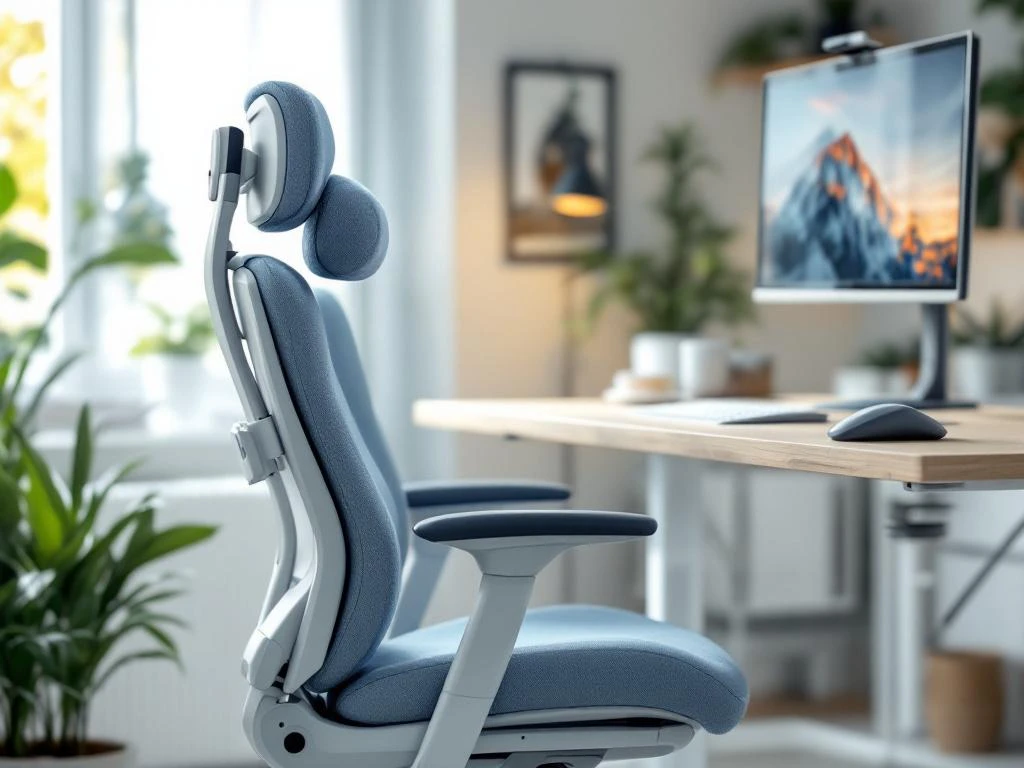
Your chair plays an important role. Choose a chair with good back support that supports your lower back. Your feet should rest flat on the floor and your knees at a 90-degree angle. Place your keyboard and mouse close together, at the same height as your elbows.
Take a short break every 30 minutes. Stand up, move your neck gently from left to right, and roll your shoulders backwards. These small interruptions prevent your muscles from stiffening and cramping.
What bedroom adjustments help with neck complaints?
The right pillow keeps your cervical vertebrae aligned with the rest of your spine during sleep. A pillow that’s too high or too low causes tension in your neck muscles and creates stiffness upon waking.
For back sleepers, a medium-height pillow works best: not too thick and not too flat. The pillow should support the natural curve of your neck without pushing your head too far up. Side sleepers need a higher pillow to fill the space between shoulder and head.
Your mattress also affects your neck posture. A mattress that sags too much when too soft or feels too firm causes your spine to come out of its natural position. This directly influences your neck position during sleep.
Avoid sleeping on your stomach. This position turns your head to one side for hours and heavily strains your cervical vertebrae. If you’re used to sleeping on your stomach, try gradually switching to side or back sleeping by placing a pillow between your knees for extra comfort.
What are the best daily habits against neck pain at home?
Conscious posture during daily activities prevents neck strain more than you think. Keep your head straight above your shoulders and avoid jutting your neck forward while watching TV, reading, or cooking.
When watching TV, ensure the screen is at eye level. Use cushions to support your back and avoid slouching on the sofa. Change position regularly and stand up during commercial breaks to relax your muscles.
While reading, hold the book or your phone up instead of looking down. This prevents the notorious “smartphone neck”, where your head constantly hangs downward. Use a reading stand or support your elbows on the table to relieve your arms.
In the kitchen, adjust your worktop height by standing on a kitchen step if you’re short, or by spreading your legs slightly if you’re tall. Keep your back straight and bend from your knees when you need to pick up something from a low place.
How Ruggensteun helps with treating neck pain
We treat neck pain with a holistic approach that goes beyond mere symptom management. Our specialised chiropractors address the underlying causes of your neck complaints by gently aligning the spine and restoring nerve communication.
Our expertise includes various advanced techniques:
- Y-strap treatments – as one of the few practices in the Netherlands, we are authorised for this intensive decompression technique
- CFR (Cranial Facial Release) – specific treatment for neck and head complaints
- Dry needling – effective muscle treatment for neck tension
- Treatment of acute problems – quick help for sudden neck pain
We look at your entire body as an interconnected system. Neck pain often arises from problems elsewhere in your spine or from incorrect movement patterns. By restoring these connections, we not only treat your neck pain but also prevent it from returning.
You can contact us directly without a referral from your GP. For urgent neck complaints, we schedule an appointment quickly. View our expertise in neck treatments or contact us directly. More information about our holistic approach can be found on our homepage.
Sorry, the comment form is closed at this time.